Categories
Portfolio

All Access Internship

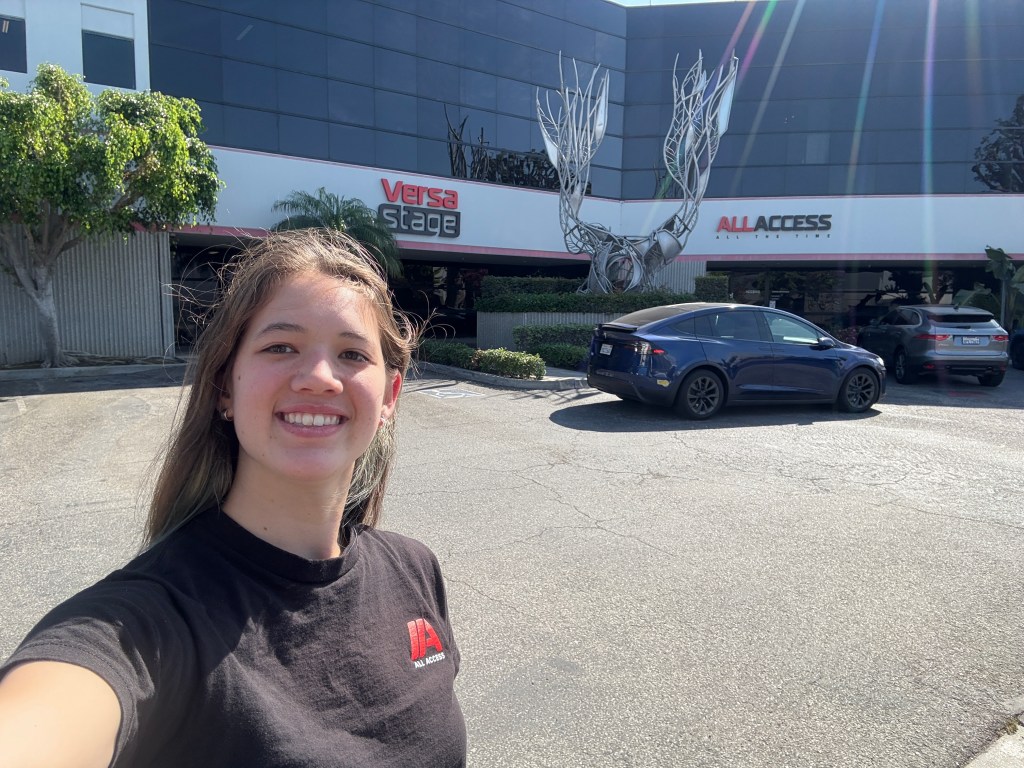
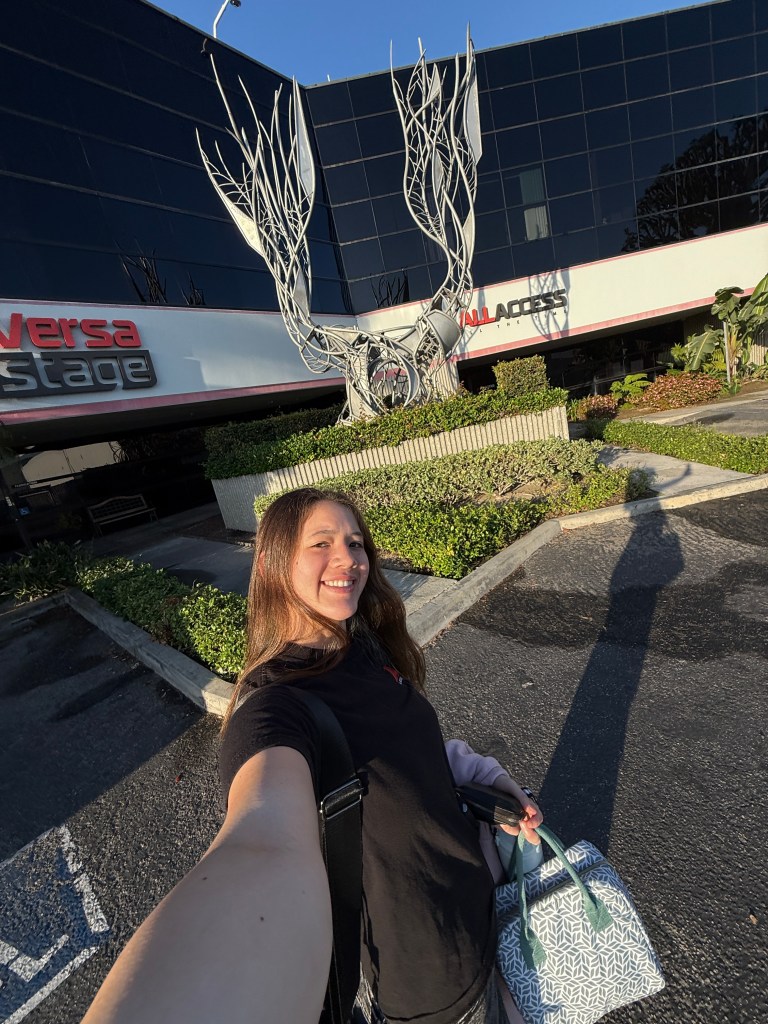
During the summer of 2025, I had the opportunity to intern at All Access Staging and Productions in both the Fabrication and CAD departments. Throughout the internship, I had amazing times with amazing people, and I learned so much.

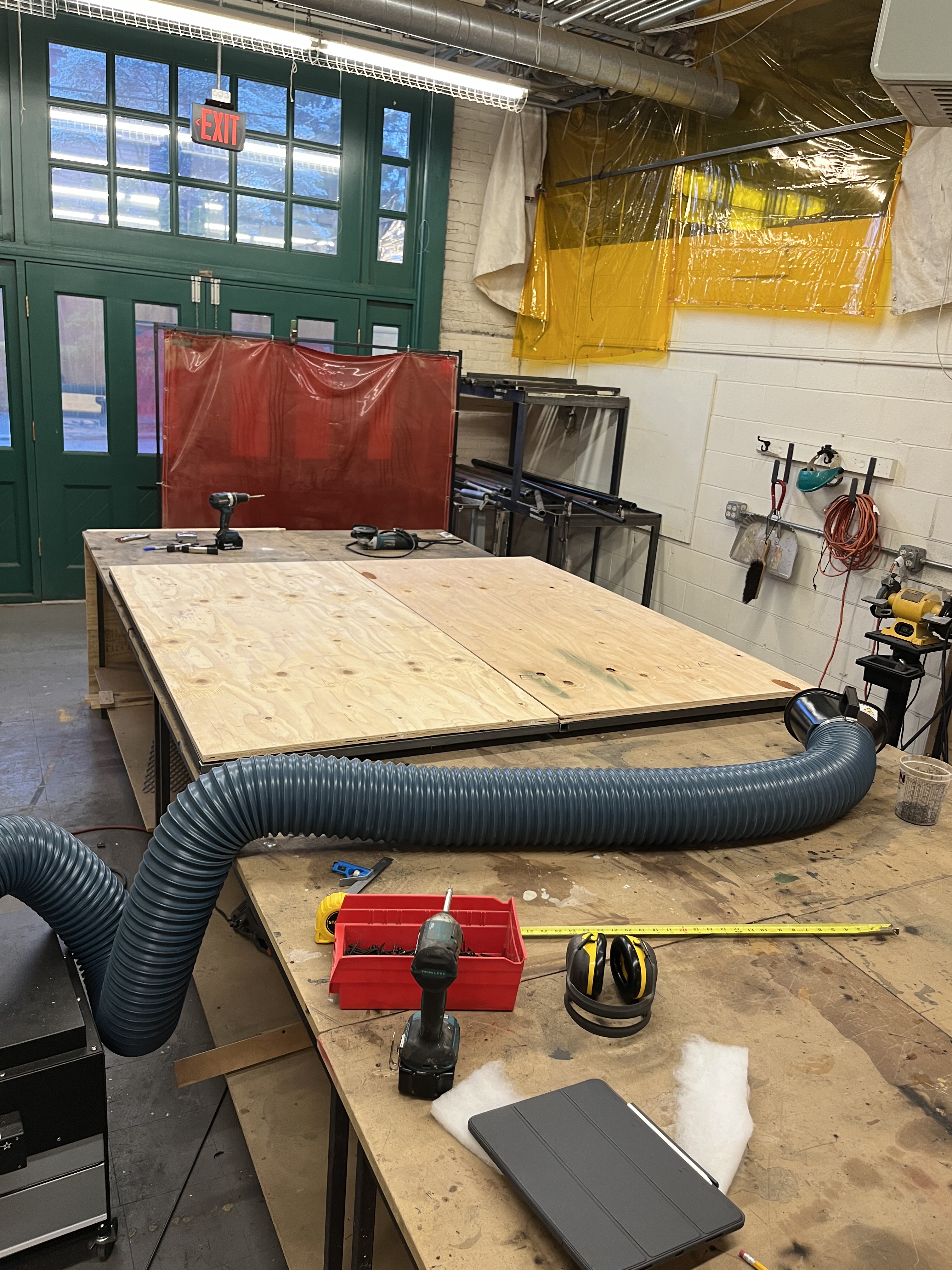
I spent the first half of the summer in the shop under Kate Newman and Lowell Chapman, rotating between departments based on each day’s workload. The two departments I spent the most time in were machining, where I operated mills, drill presses, and the CNC machine, and welding, where I helped jig and tack the parts.

My other experiences in the shop included cutting pipes, angles, and flatbar, operating the waterjet, operating the wood CNC machine, building custom wood plug decks and steppers, using the Piranha machine to make x-braces, and my favorite, helping special projects make the stairs for the 2025 FIFA Club World Cup Halftime Show.

It was especially interesting to see how a job moves through departments in the shop, especially having come from a theatre shop where there aren’t specific people in specific departments. Additionally, I loved improving on my technical skills and learning how to use new machines, such as the Piranha and the waterjet.

During the second half of the summer, I worked in the CAD department under Matt Carter. There were three main categories that my assignments fell into: rental jobs, custom jobs, and updating stock parts.

The rental jobs consisted of putting together designs and packets using stock gear, and gave me base experience in Vectorworks and how to configure packets for on-site use. These types of jobs allowed me to see and understand the overall product, which was incredibly helpful in understanding where my role fit into the overall job, not to mention just really cool. Multiple jobs had me excited because I knew the artist, and for two of them, I had tickets to their concerts.

For custom jobs, I used Inventor to design stairs and mobilator carts, and learned the key differences between packets for on-site and in-shop use. I became familiar with Inventor’s Frame Generator tool, which was especially helpful for the mobilator. Custom jobs were exciting because of the novelty and challenge of each part, especially the mobilator.

Finally, updating stock parts involved applying notes from the shop on how they actually build the parts, as well as making Inventor parts and assemblies for stock that just hadn’t yet been added to the vault. I loved getting to better understand what the company offers and how stages actually go together. For example, by updating the ballast models, I was able to learn more about how truss is set up and stabilized.

Throughout the internship, I learned so much about how stages go from design to reality. I was able to work with incredible people, and I’m so grateful to have had this opportunity. All Access has definitely reaffirmed my desire to work in entertainment production, and I’m excited to see how I can take what I’ve learned and apply it to future opportunities.
Categories
Portfolio

The Moors Set Design

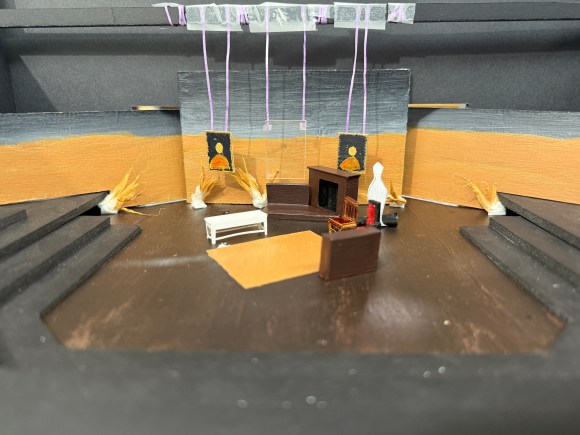
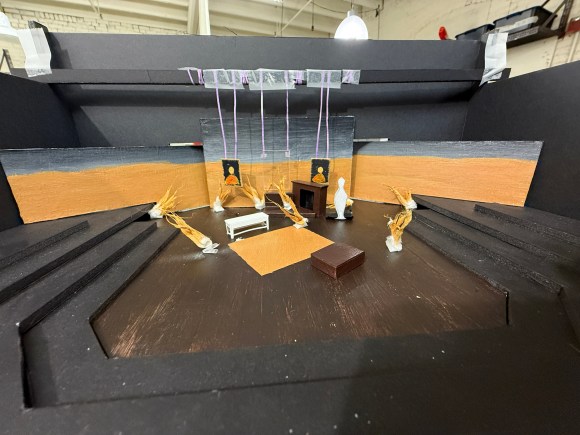
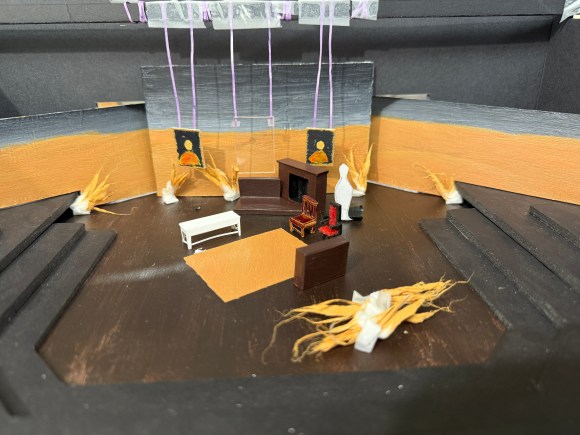
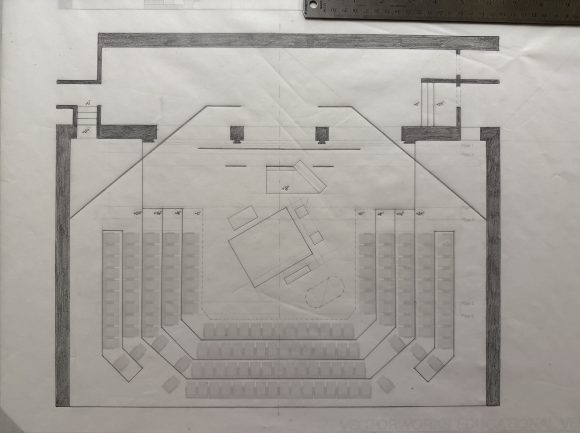
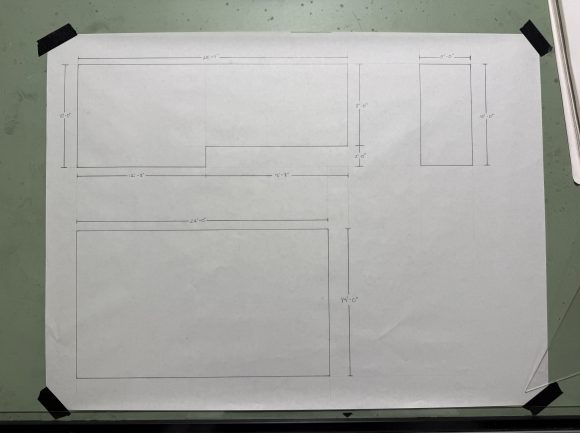
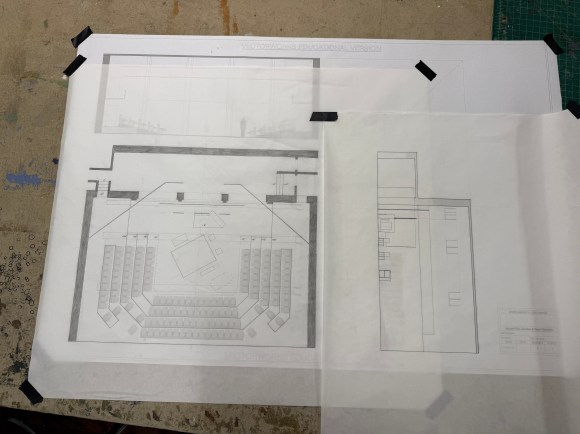
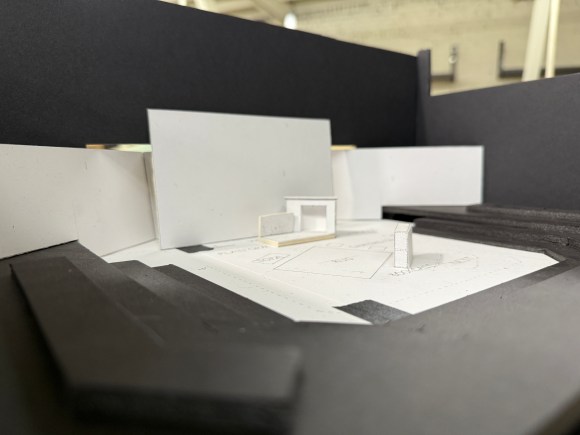
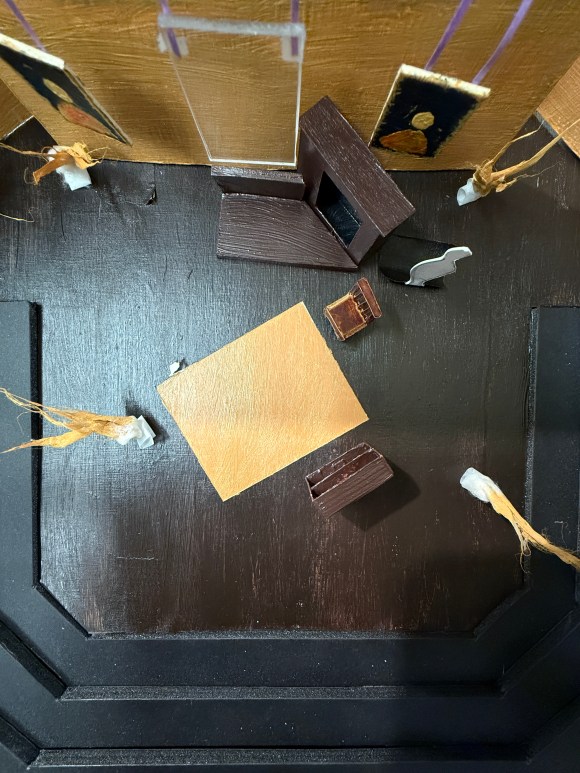
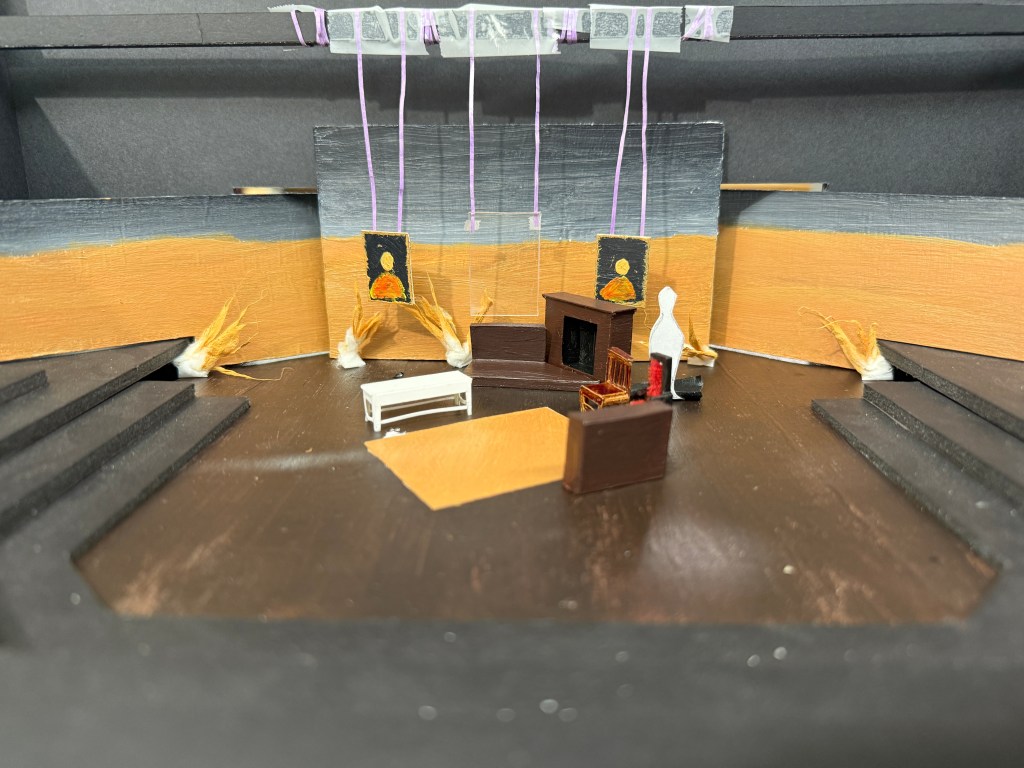
The final project for my Intro to Set Design class in the fall of 2025 was to individually design and model a set for either The Moors or Stick Fly, set in one of the theatres on campus. After reading both plays and revisiting the theatres, I ended up choosing The Moors in Leeds Theatre.

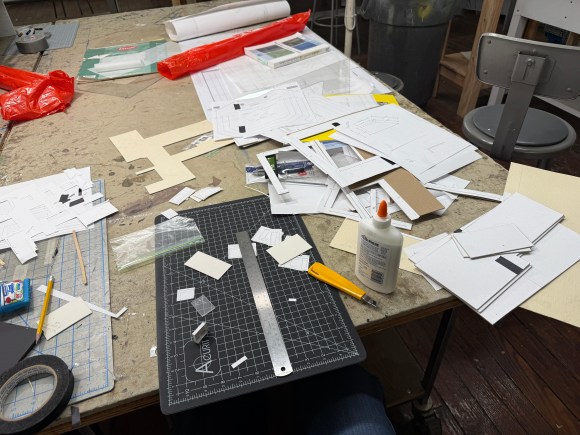
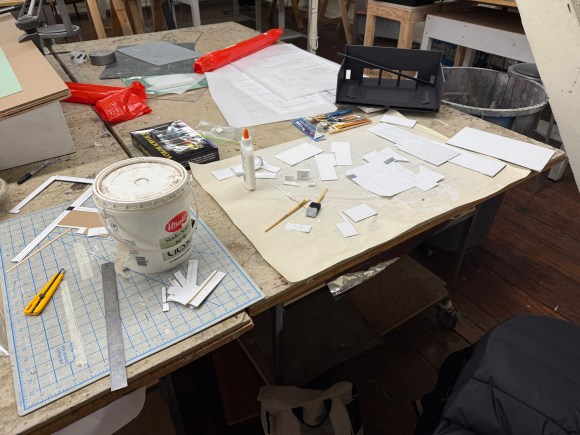
During the process, I went through all the steps we learned throughout the semester. Noticeably absent from the project was consideration of costs and of the specifics of building the set. However, included in the project was a script breakdown, visual research, a mood board, a drafting packet, a perspective sketch, painted elevations, and a painted model.

I was already pretty comfortable drafting, as we had done it throughout the semester and I had prior experience from my architecture studio classes. Additionally, the script breakdown was similar to others I had done before. The main challenge for me was the painting, as my painting experience has been minimal. I spent lots of time mixing paints to get the right colors, and even then I didn’t fully capture what I wanted.
Unfortunately, the semester was abruptly cut a few days short, so I was unable to put the finishing touches on the project. Had the semester ended as planned, I would have added details to the sketch and painted elements, as well as removed the flown elements from configuration 2 of the model.

Deliverables

Model Configuration 1
Model Configuration 2
Model Configuration 3
Painted Elevations

Process Photos

Categories
Portfolio

Unfolded Plan – Vanna Venturi House

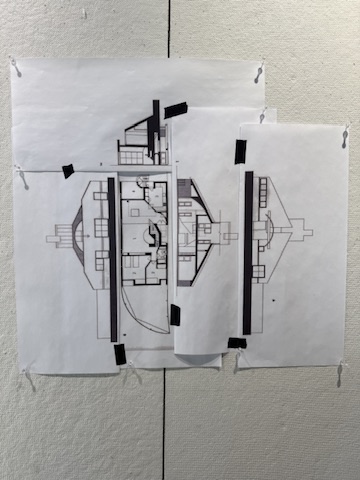
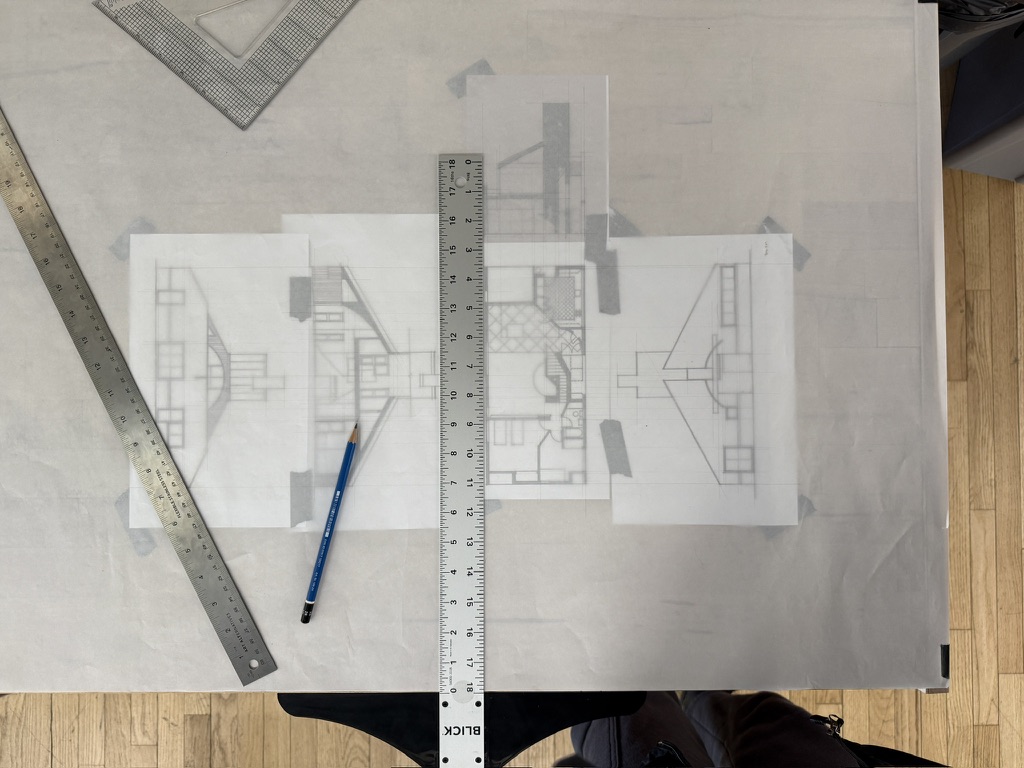
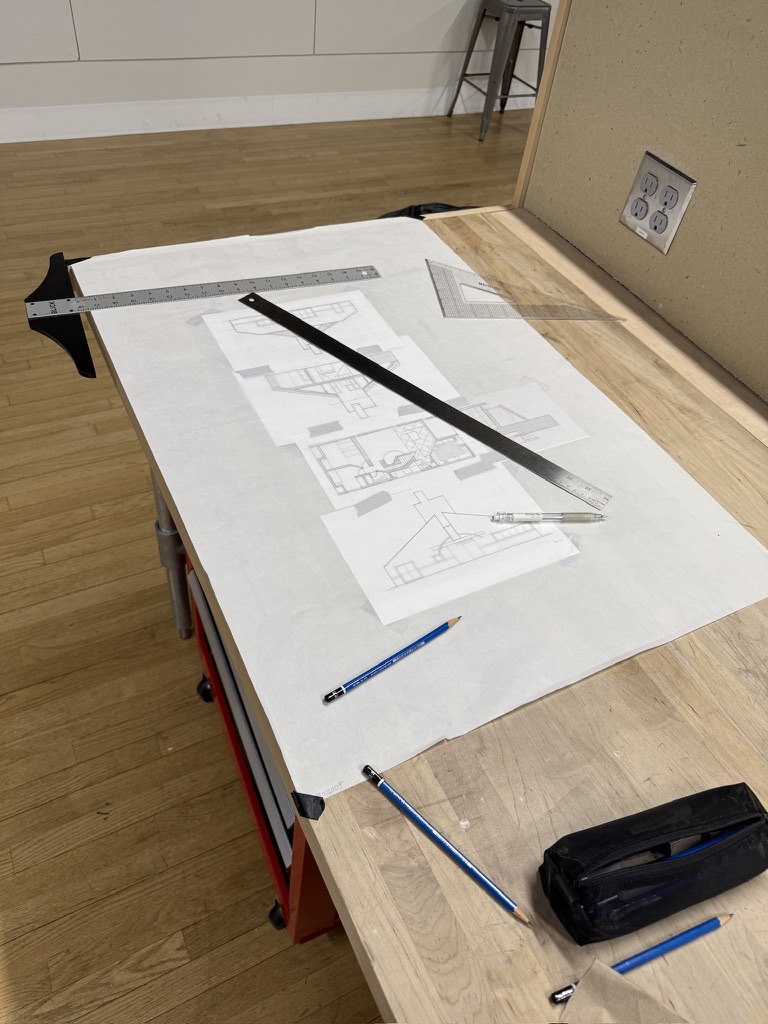
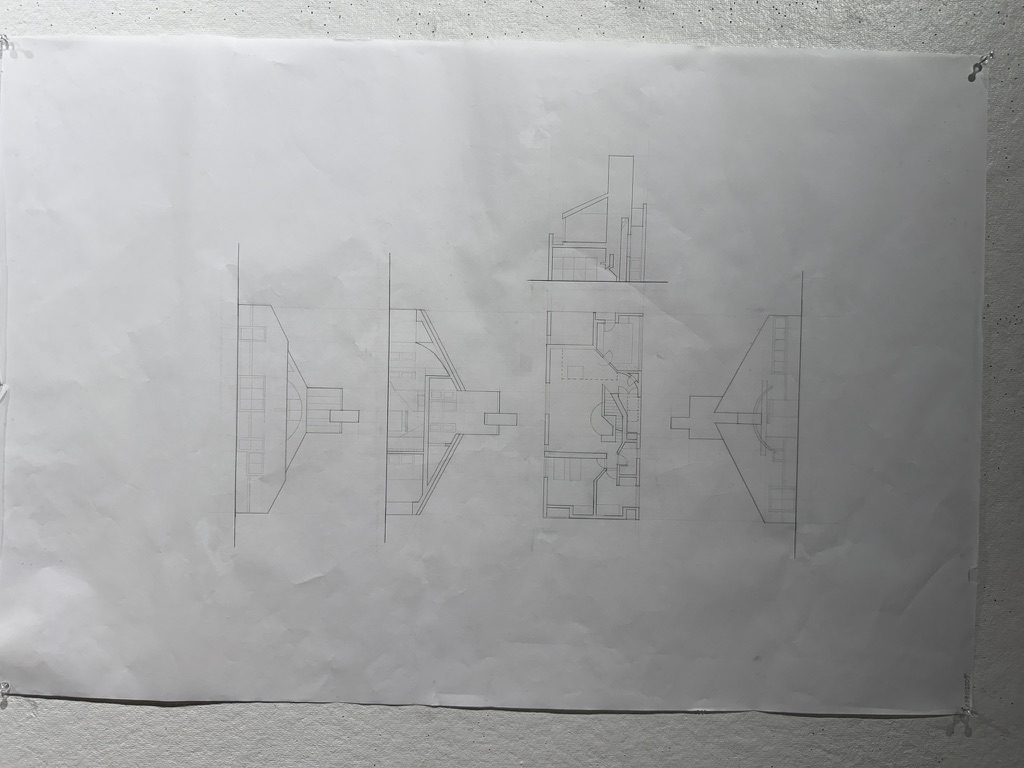
This assignment was completed in my Architectural Projections class in spring 2025, and focused on the Vanna Venturi House. I hand-drafted one plan, two sections, and two elevations on vellum paper after finding drawings online and scaling them appropriately.

One thing I came to understand through this assignment was the importance of line weights. Their impact is most prominent in the plan and sections, as it is clear what is cut through vs what lies behind the cutline. Little things like line weight may not seem to be important when you start, but I could clearly see the impact they had when looking back at my process photos.
This differed from a general drafting assignment in that we added key images alongside the drafting. I quite like this practice, as it emphasizes how the clear cut drafting can be brought to life. While the exterior pictures exemplify the elevations overall, the interior images focus on a specific aspect of the house – stairs, which brings to light my interpretation of the house’s key elements.

Logistically, the most challenging part was getting the online drawings properly scaled and aligned. Each drawing had to be printed on a separate piece of paper then taped together, aligned with each other and the edge of my drafting desk.

Process Photos

Categories
Portfolio

Air Quality Monitor

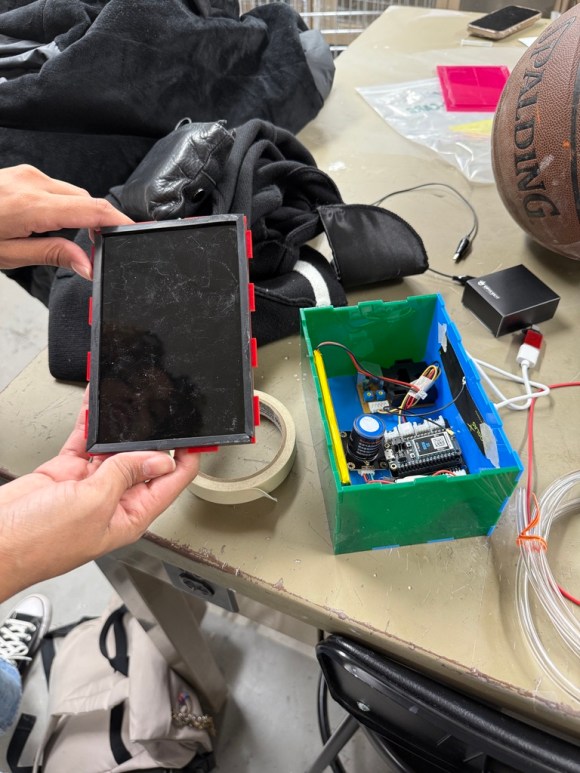
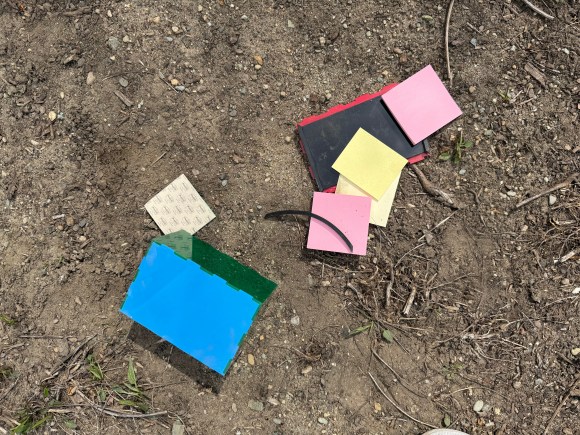
In my Design Brief class in the spring of 2025, my group, comprised of Angela Xu, Olivia Napoleon, Sydney Meza, and me, designed and built a low-cost, quantitative air quality monitor for Dr. Diana Grigsby-Toussaint. Over the course of two months, we researched, prototyped, tested, and iterated.

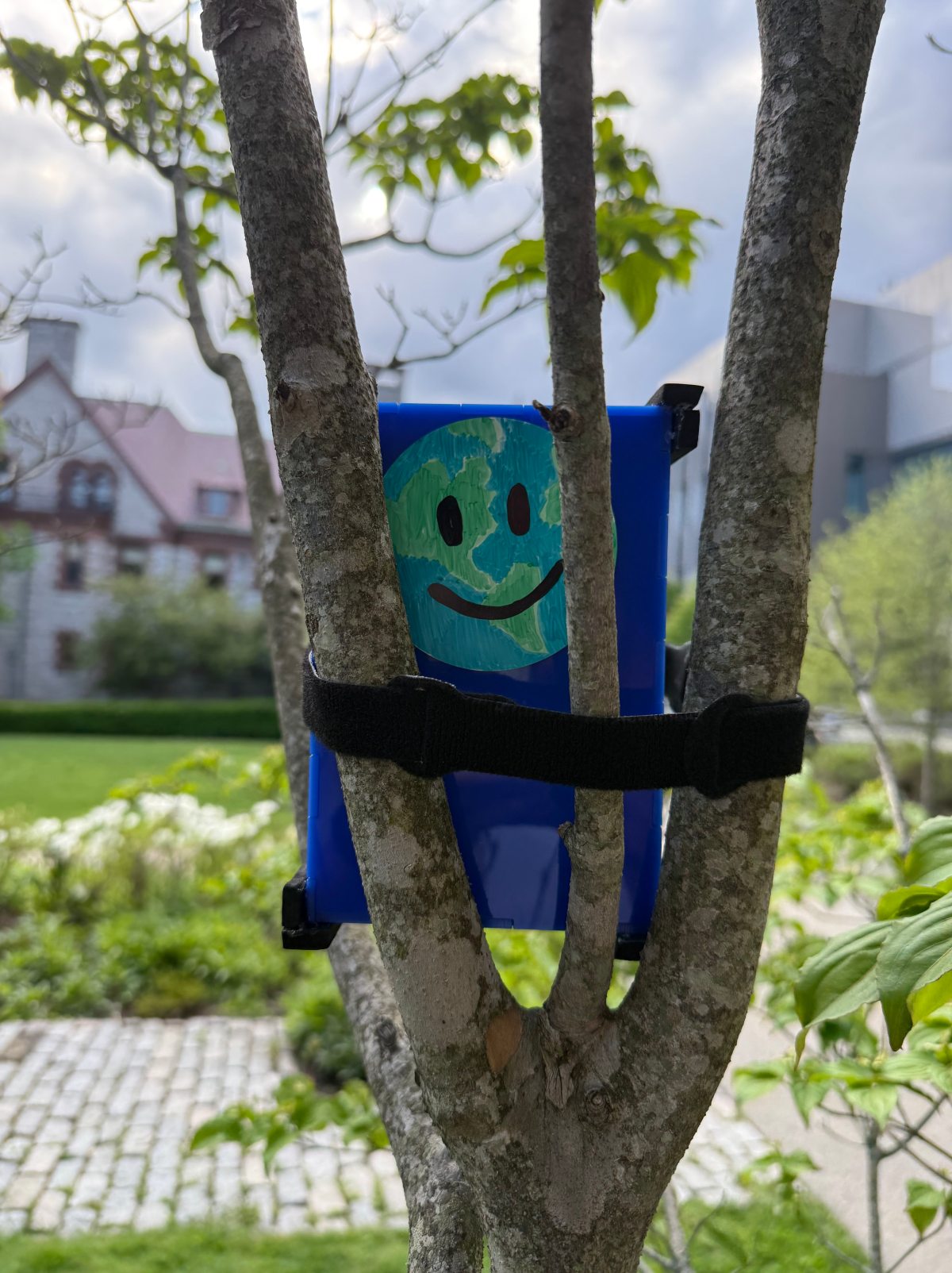
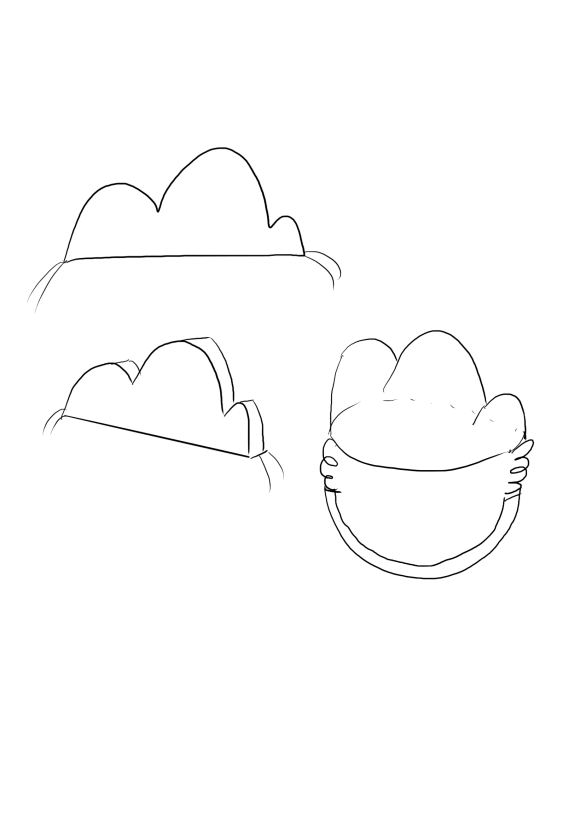
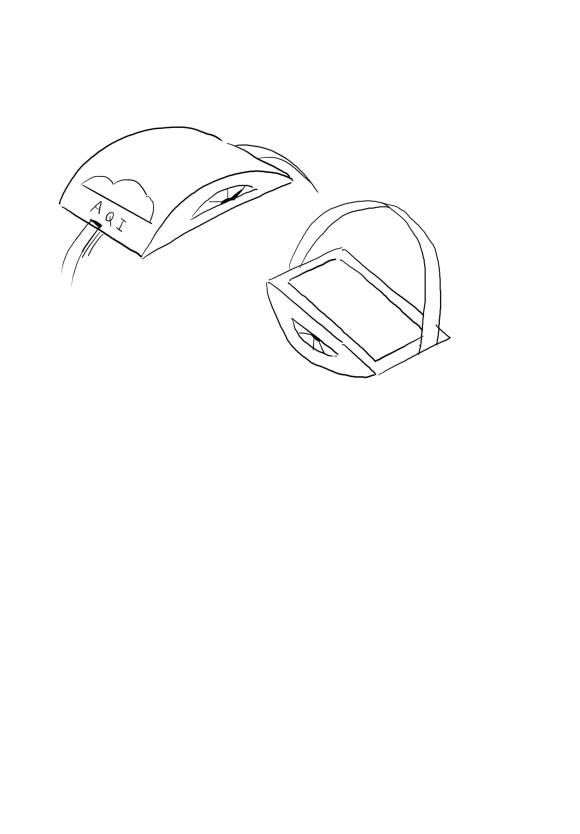
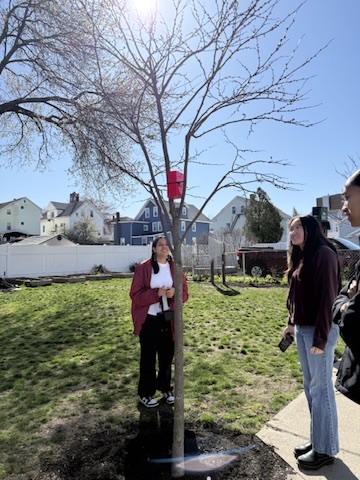
In the research phase, we interviewed Dr. Grigsby-Toussaint to find her priorities: quantitative data, an easy and secure attachment, a long lasting battery, and visually appealing. Being visually appealing was especially important, as the monitor was to be mounted in a low income community with many immigrants. With the fears of deportation due to the political climate, it was of utmost importance that the monitor did not evoke fear in residents.

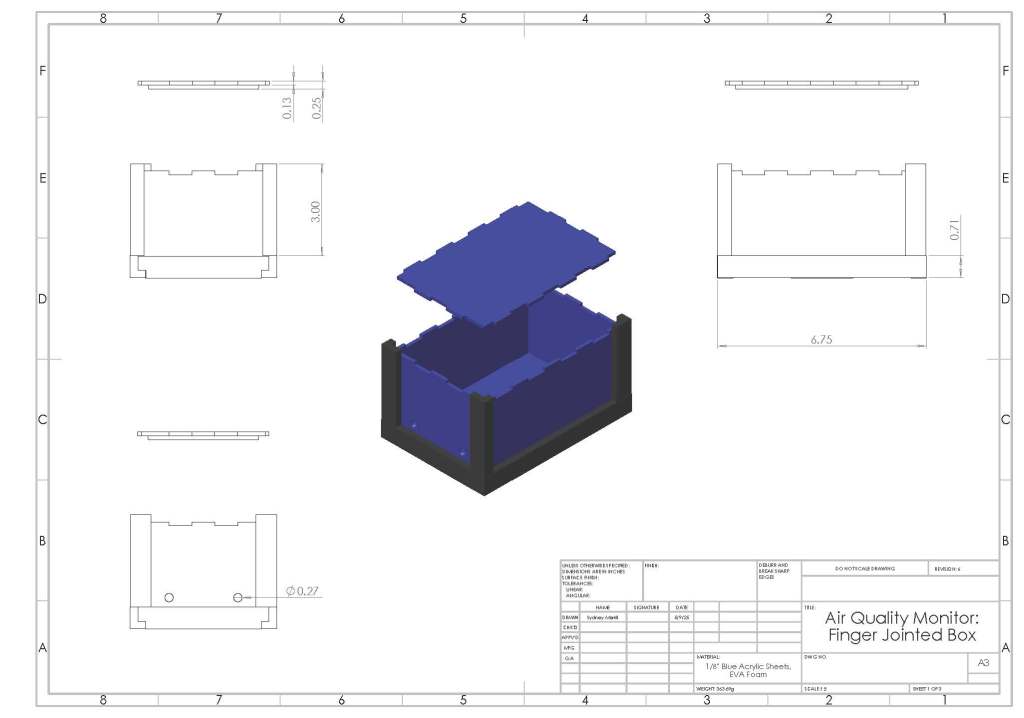
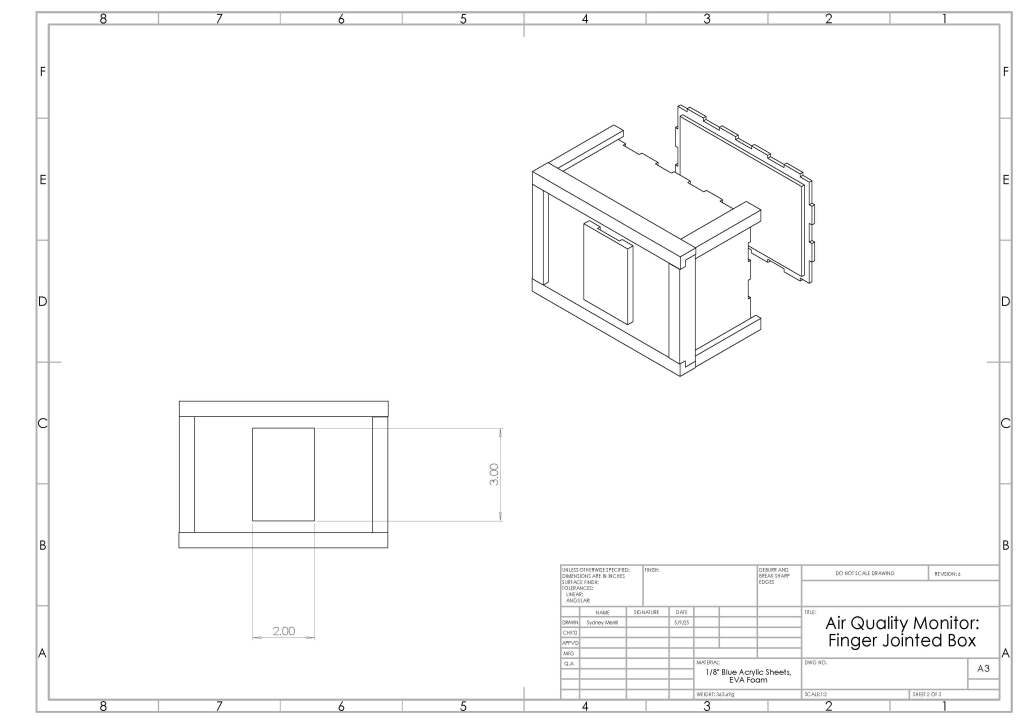
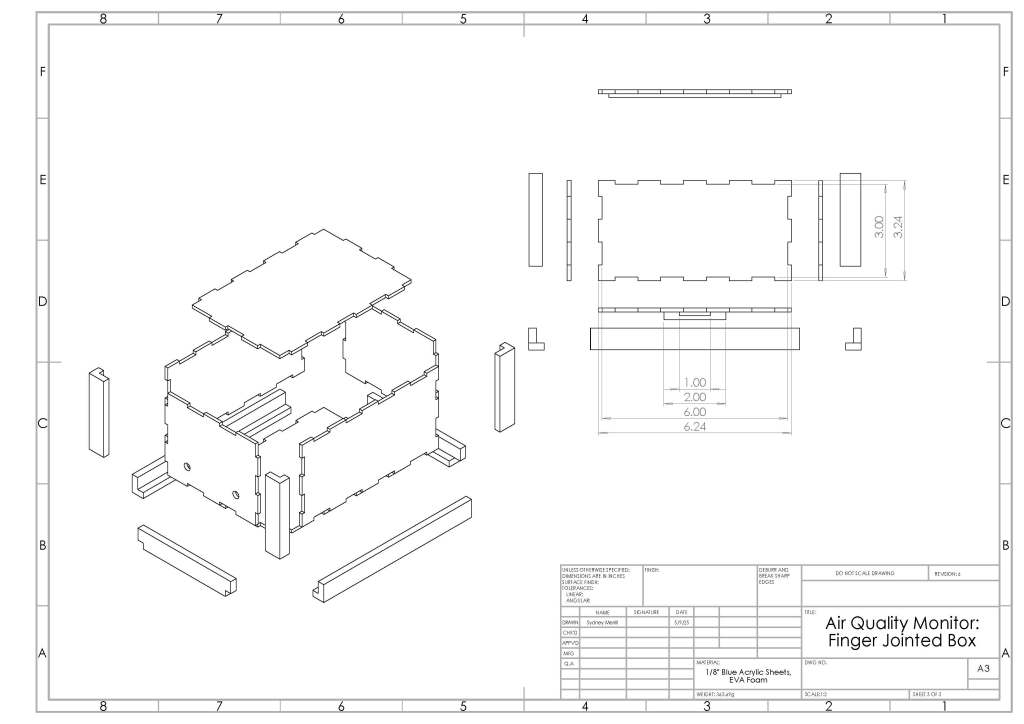
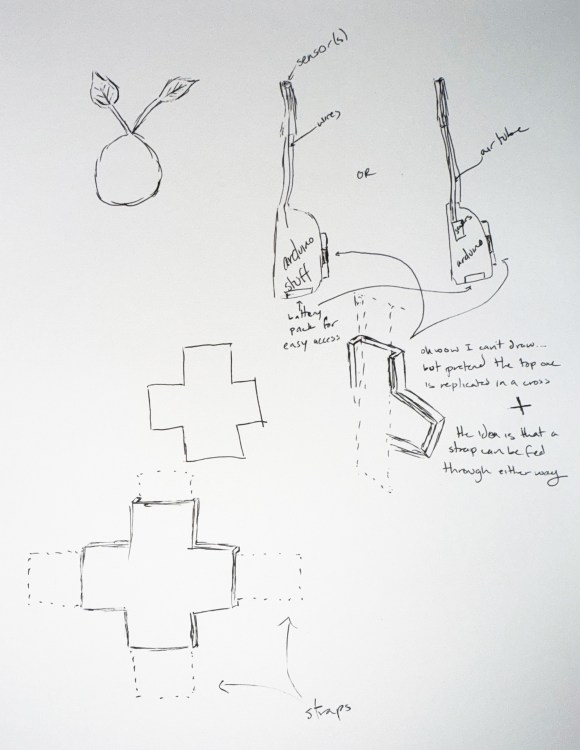
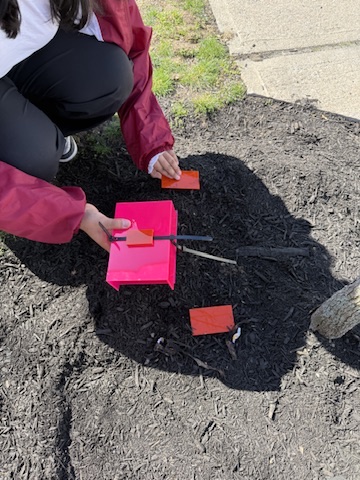
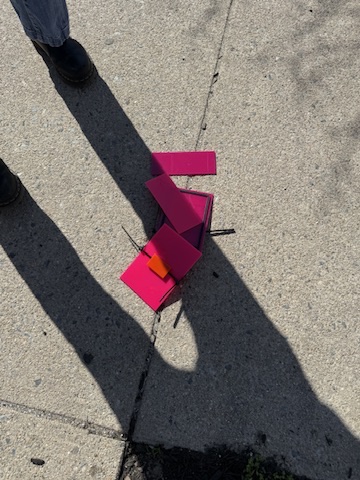
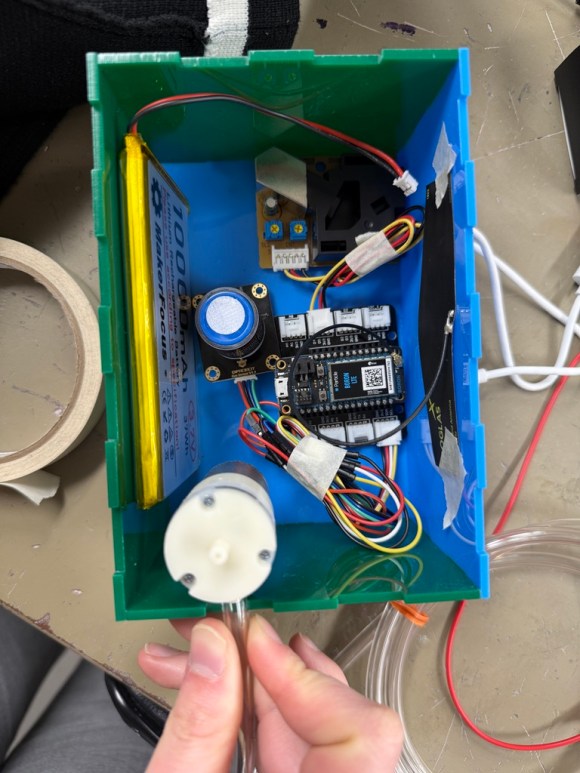
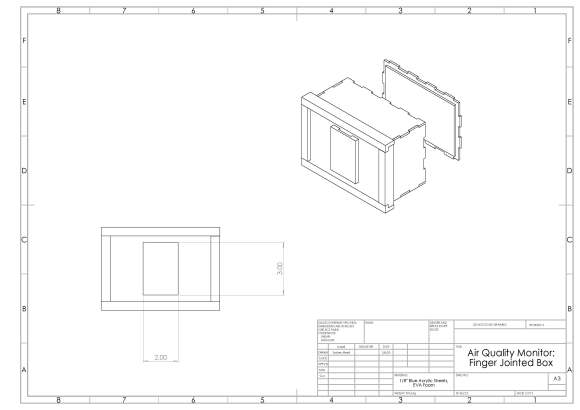
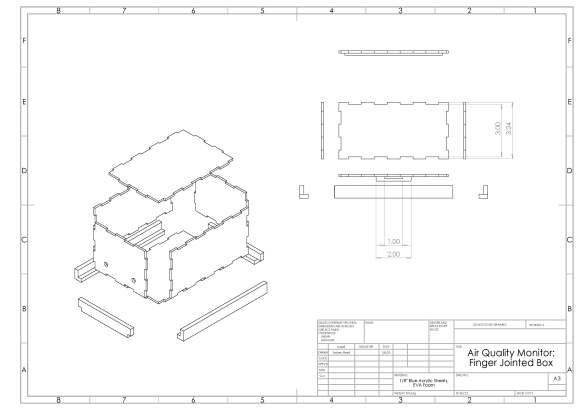
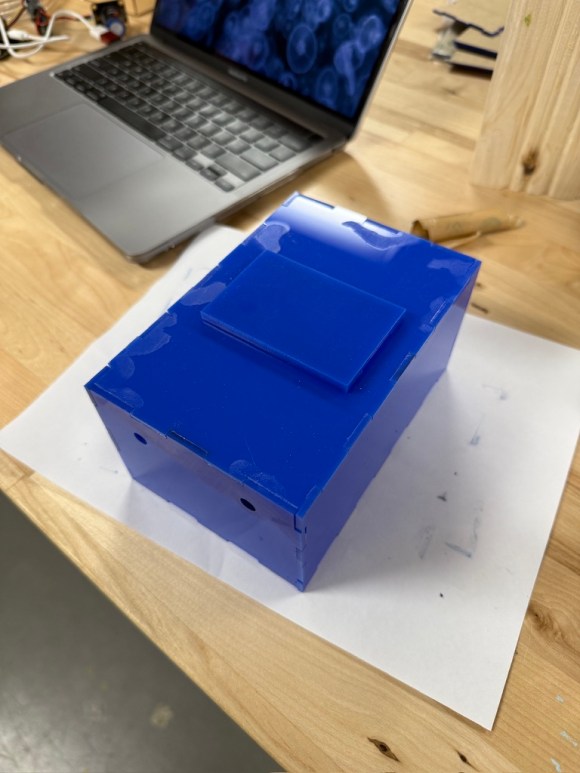
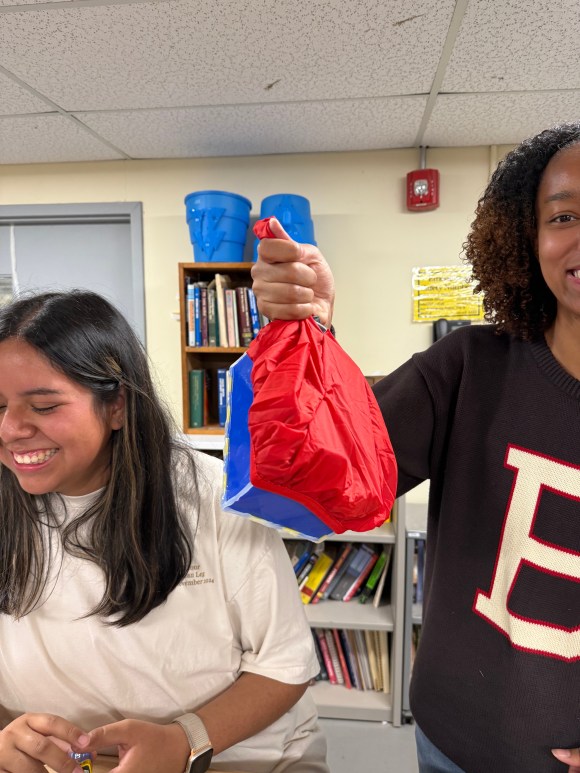
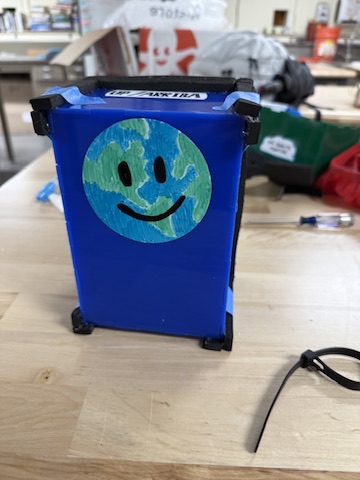
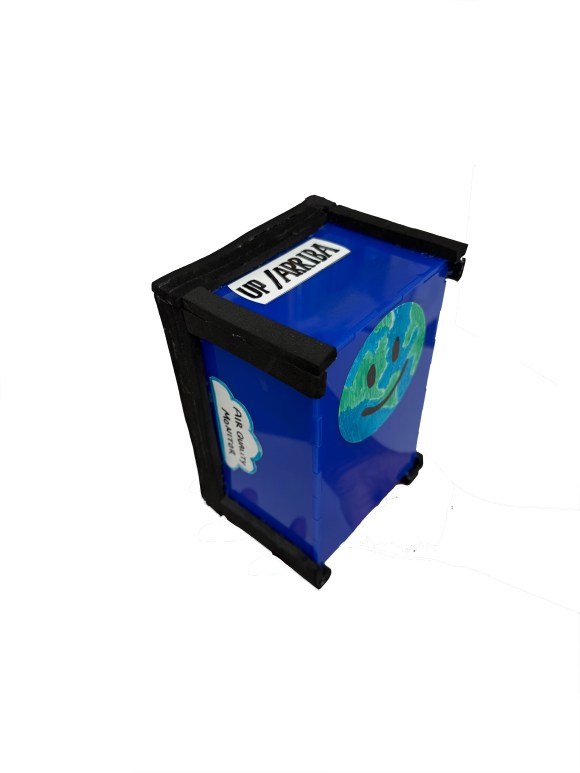
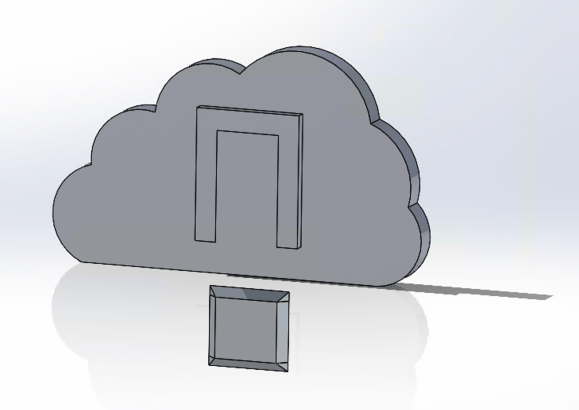
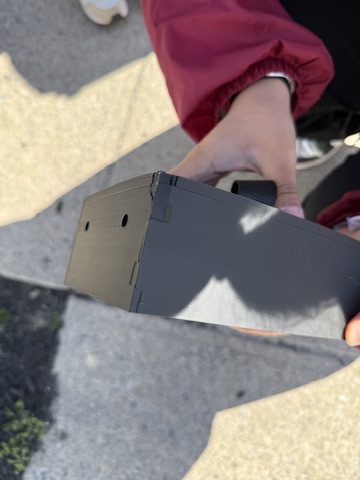
Our final product was a laser-cut acrylic box housing CO, NO2, and PM2.5 sensors. Key features include a rain cover for New England weather, internal and external foam supports, labels in English and Spanish, a velcro strap attachment, a rechargable lithium battery, and cloud based data that is wirelessly uploaded.

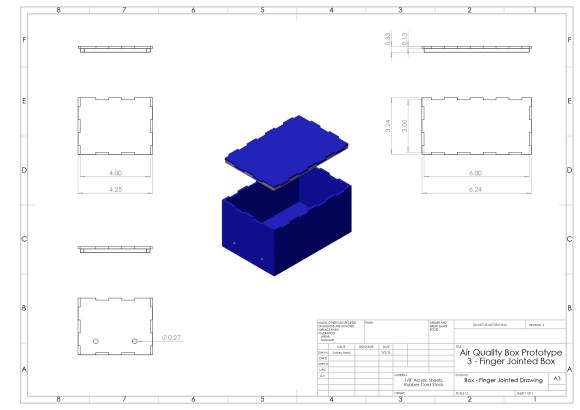
My primary role in this project was CADing. As the team member with the best CAD skills, I created all the digital models and drawings of our box in SolidWorks, as well as the Adobe Illustrator files used to laser cut the acrylic. Sydney Meza was in charge of electronics and coding, including figuring out how to wirelessly upload the data. Olivia and Angela were primarily in charge of physically building the prototype and testing, including drop tests and water tests.

Final CAD Drawings

Process Photos

Categories
Portfolio

Folding Stage

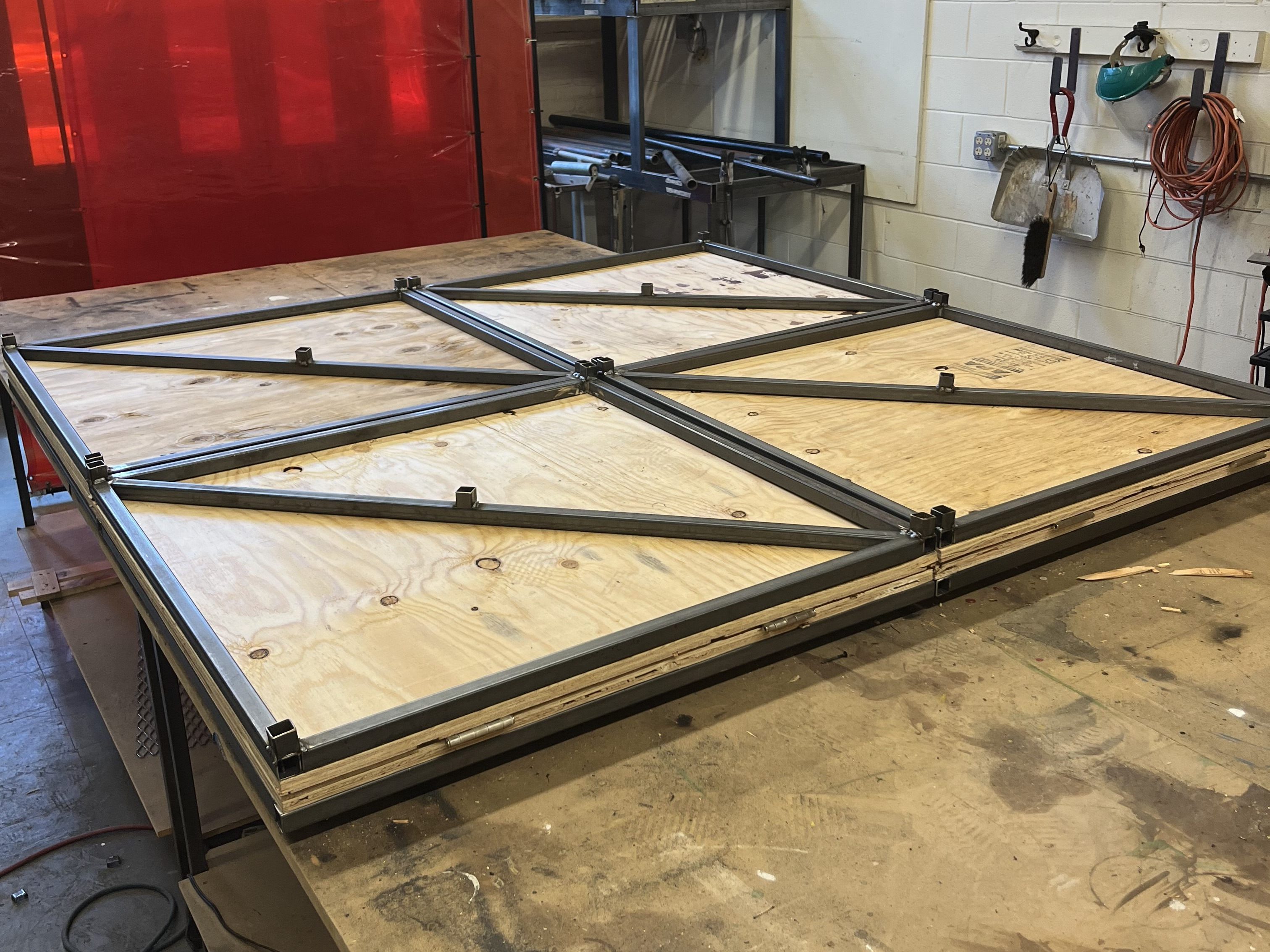
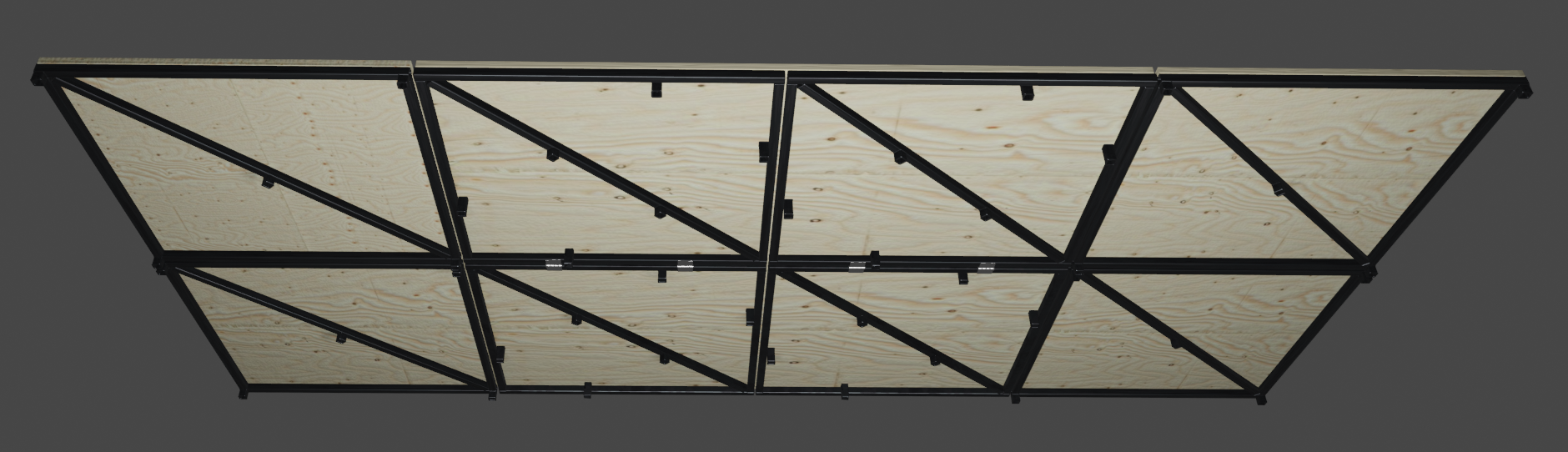
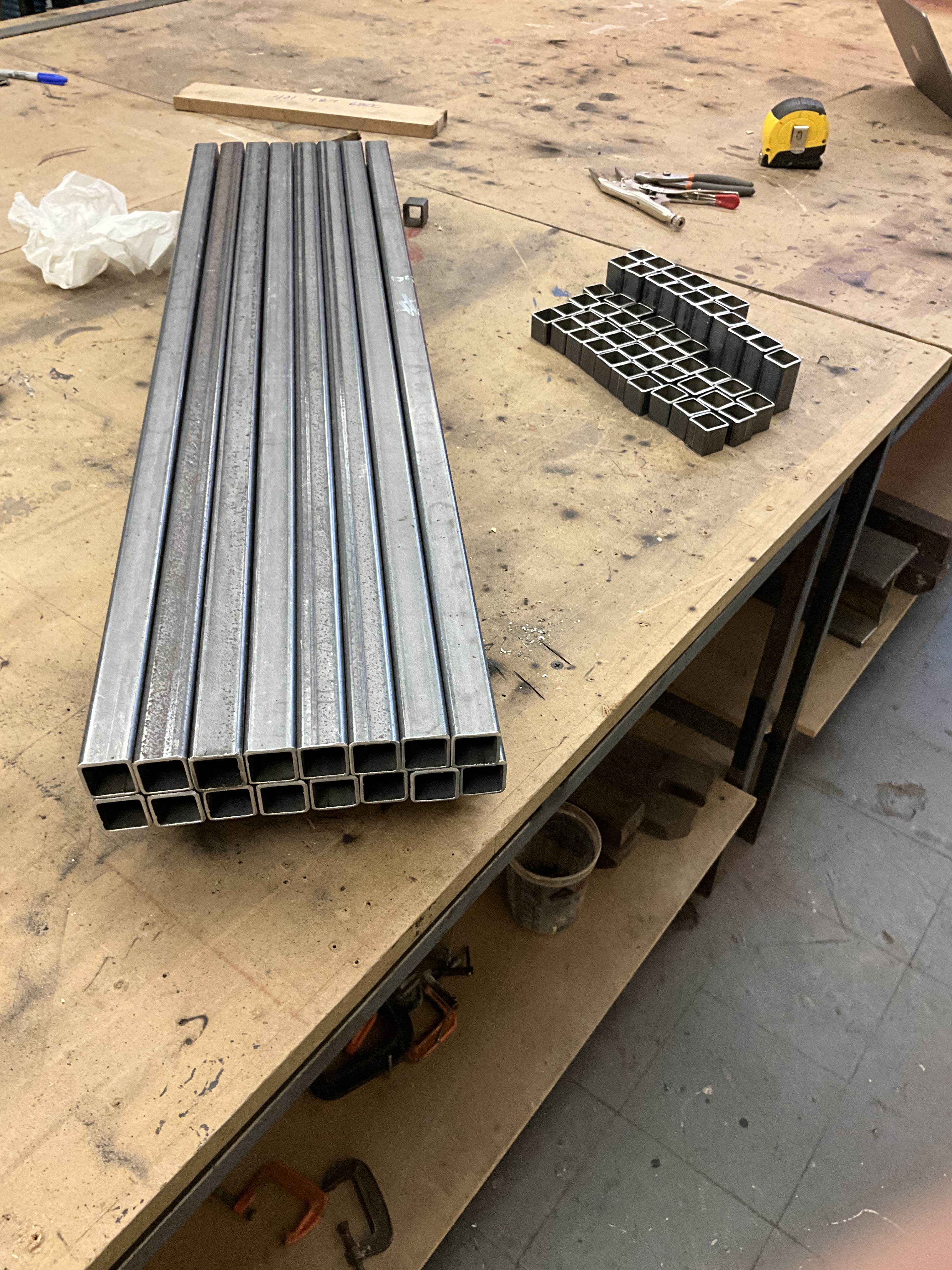
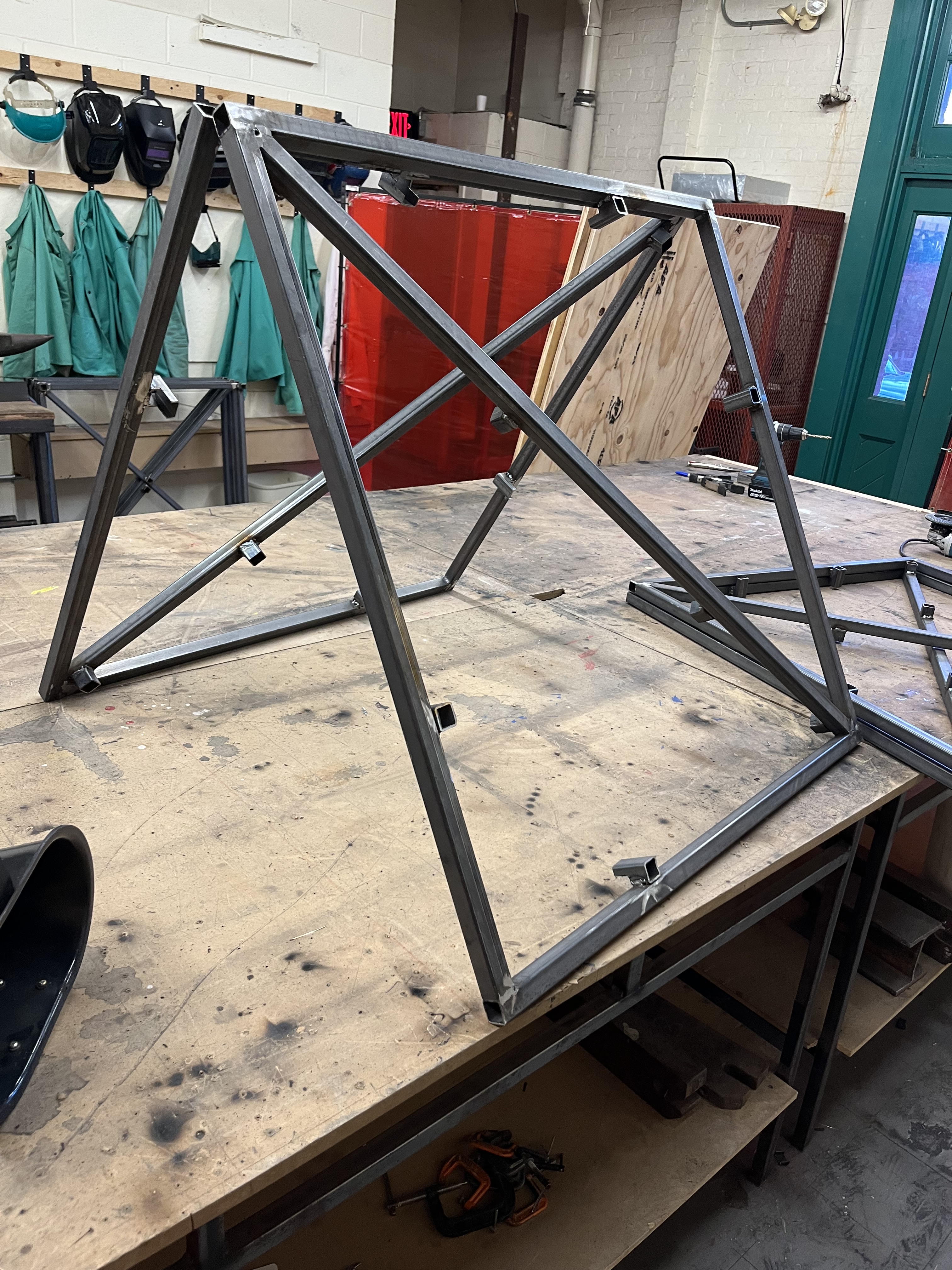
I made a folding stage during the Spring 2024 semester as a component of my final project for a props-making class. It served as a compilation of many of the skills I learned through the semester, including woodworking, metalworking, and welding.

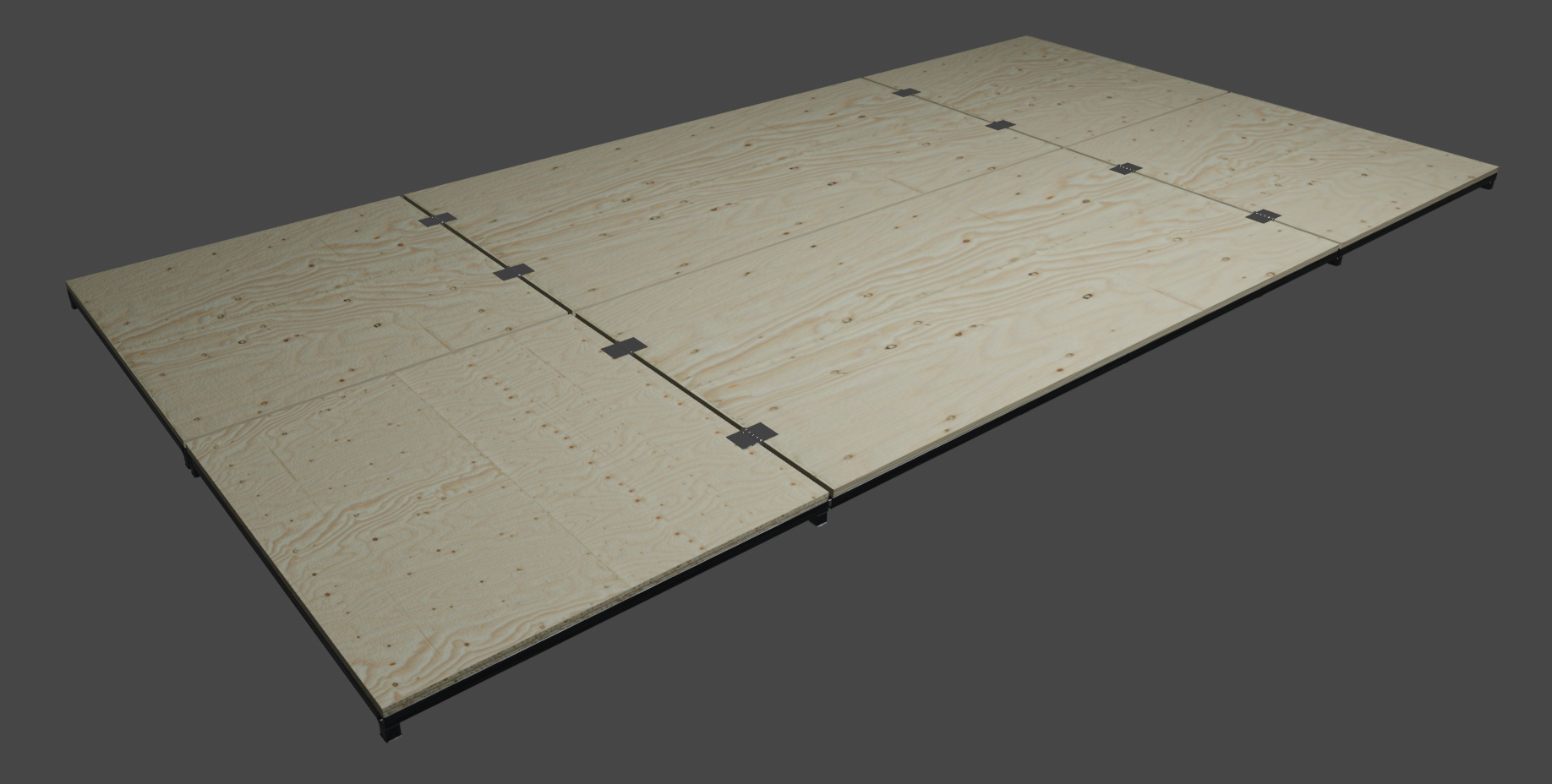
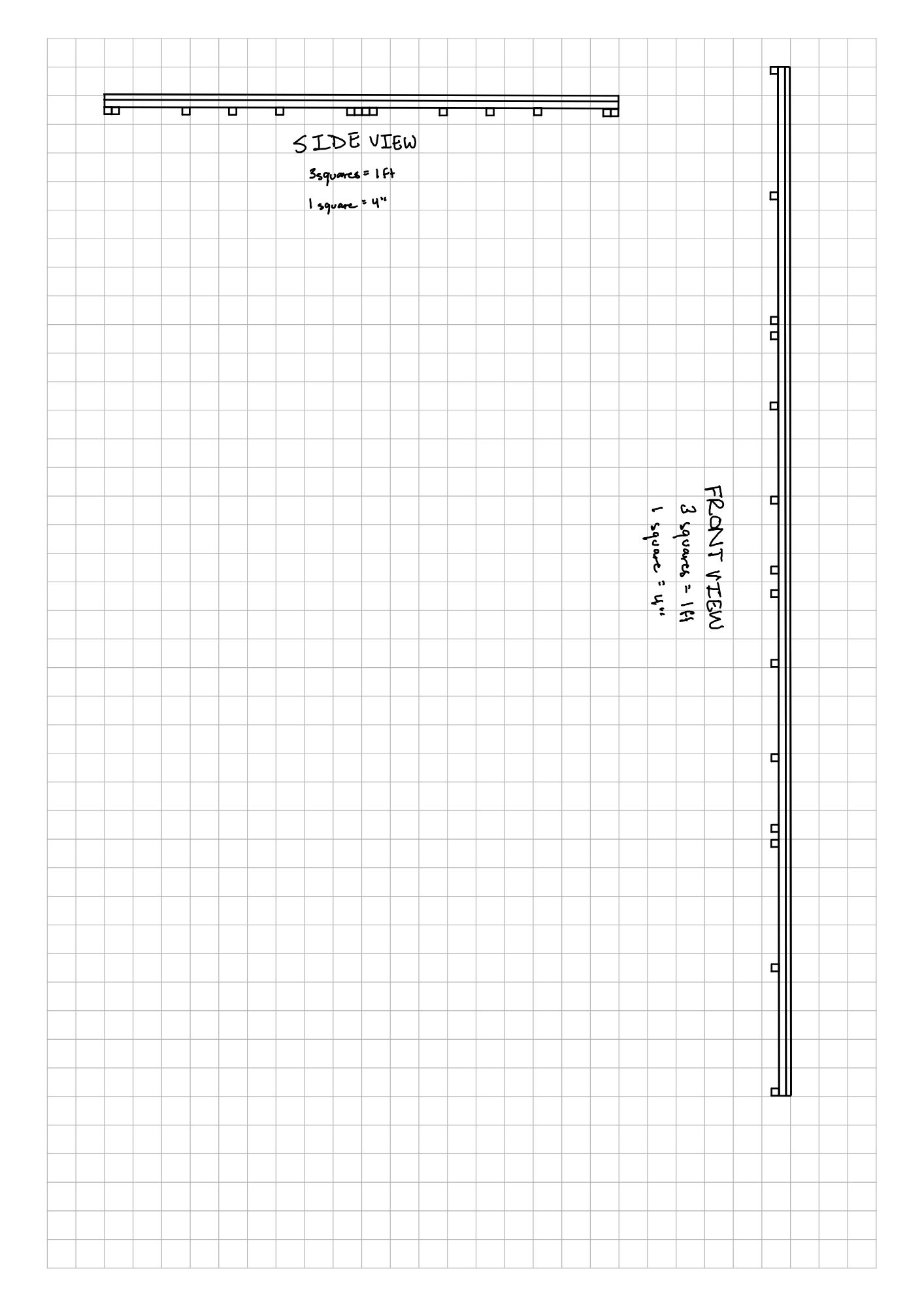
This project was based on Dog Act by Liz Duffy Adams, in which the main characters work as a traveling entertainment group, complete with their own stage. Thus, I created a 6’x12′ stage that folds up to 3’x6′.

Aside from refining my practical skills, the main lesson I learned from this project was the importance of tolerance. The underside of the stage has legs welded to the inside face of the structural beams, which originally prevented the stage from fully folding. To remedy this, I cut a bit off from the outwards-facing section of the legs, which allowed the stage to fold as was intended

Process Photos:

Categories
Portfolio

Lightroom

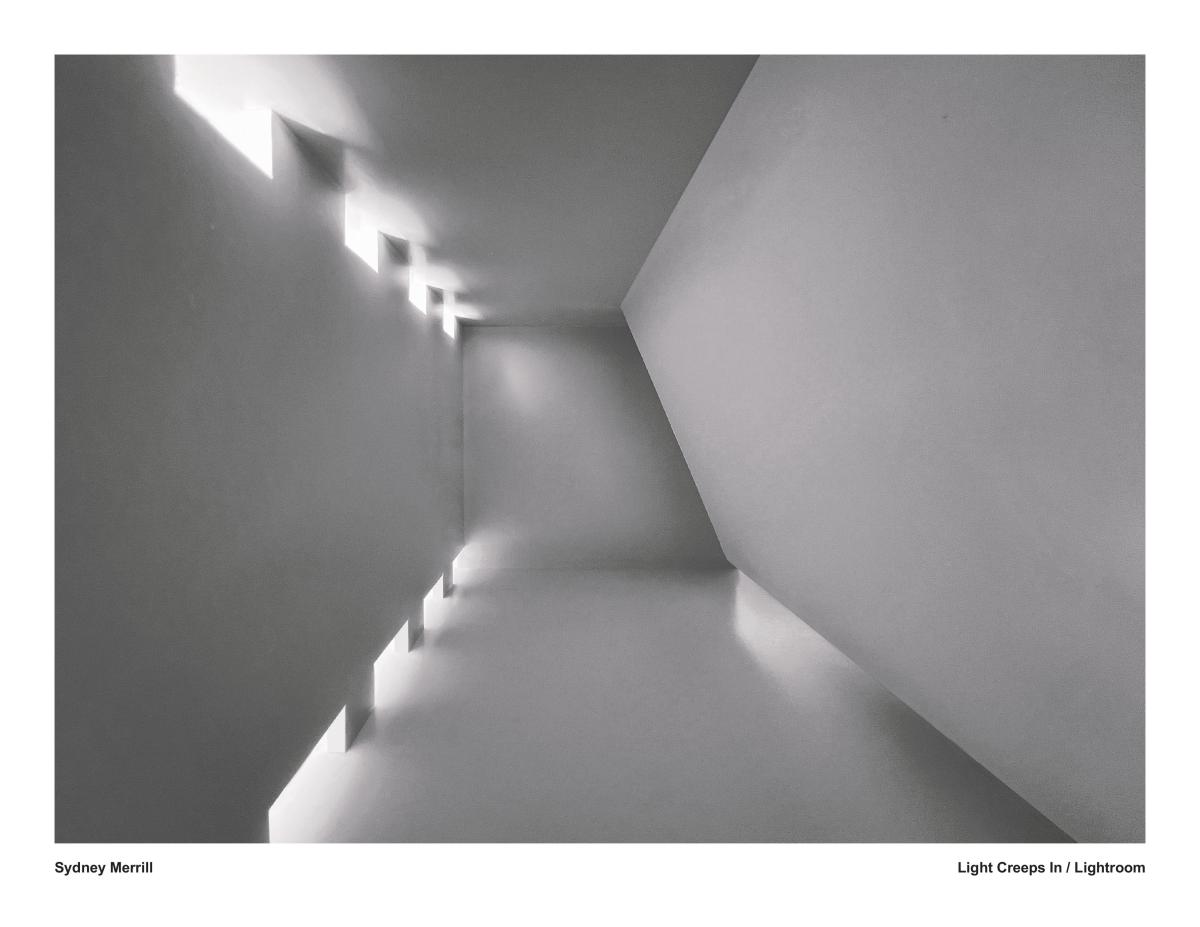
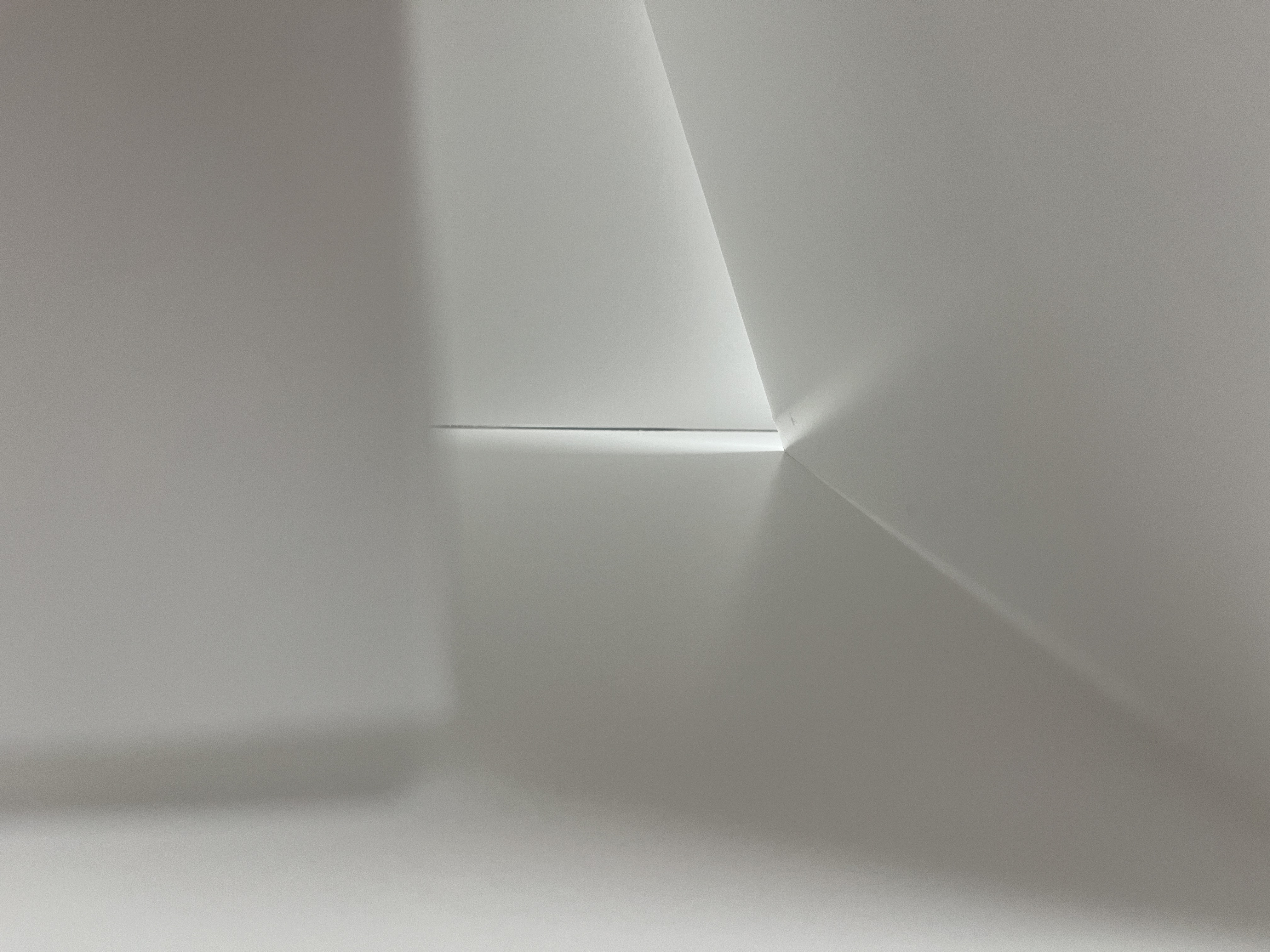
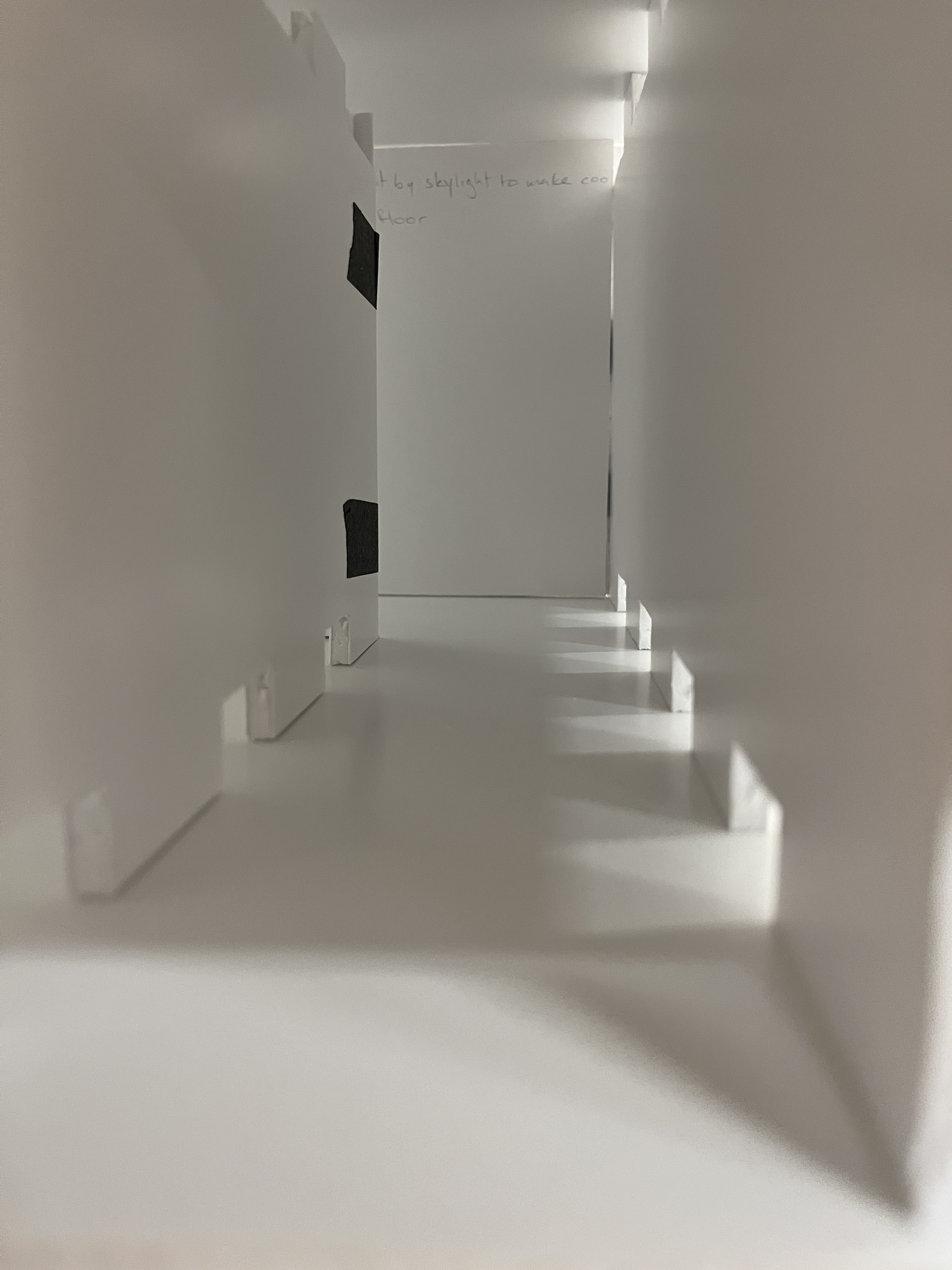
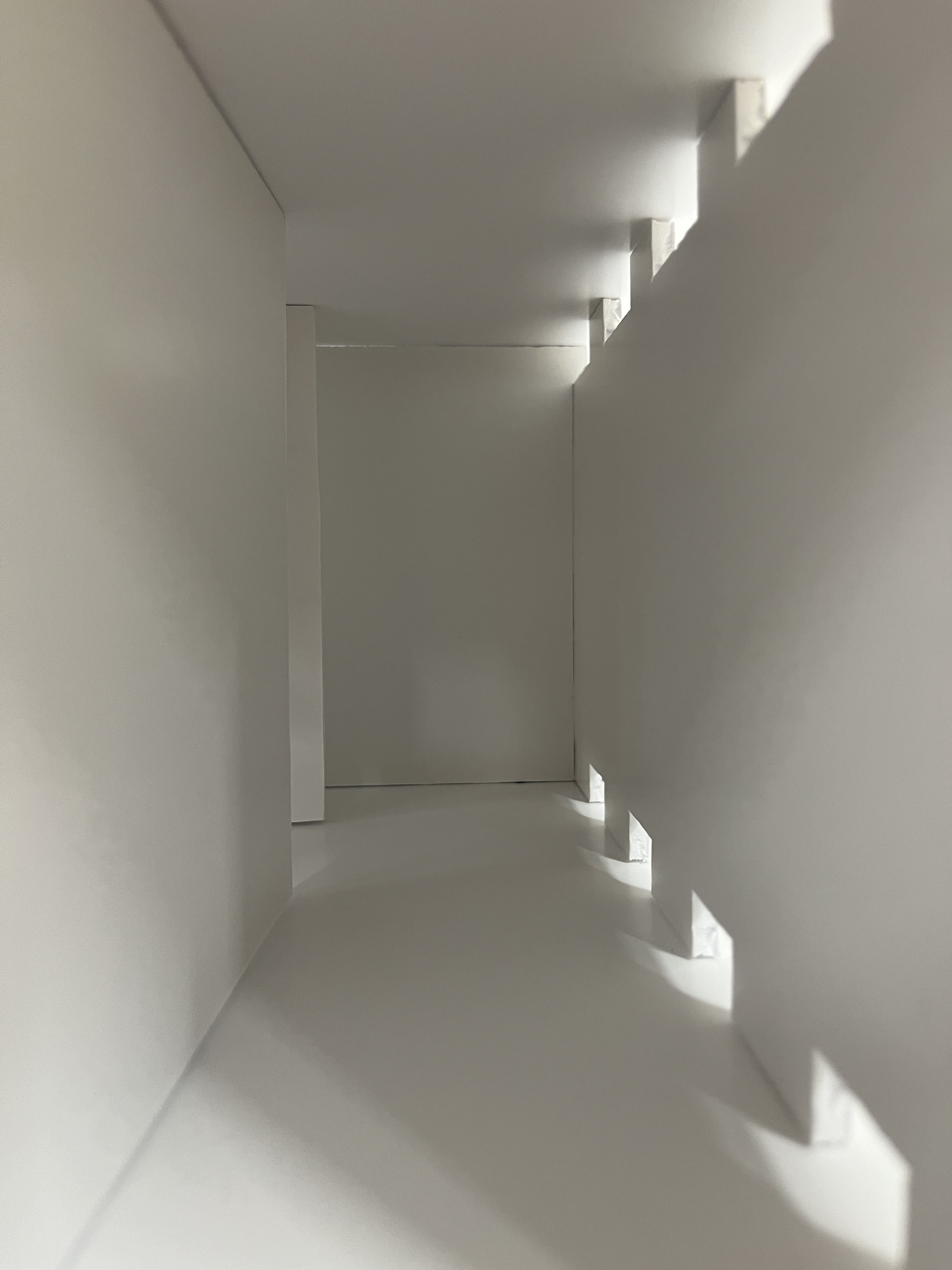
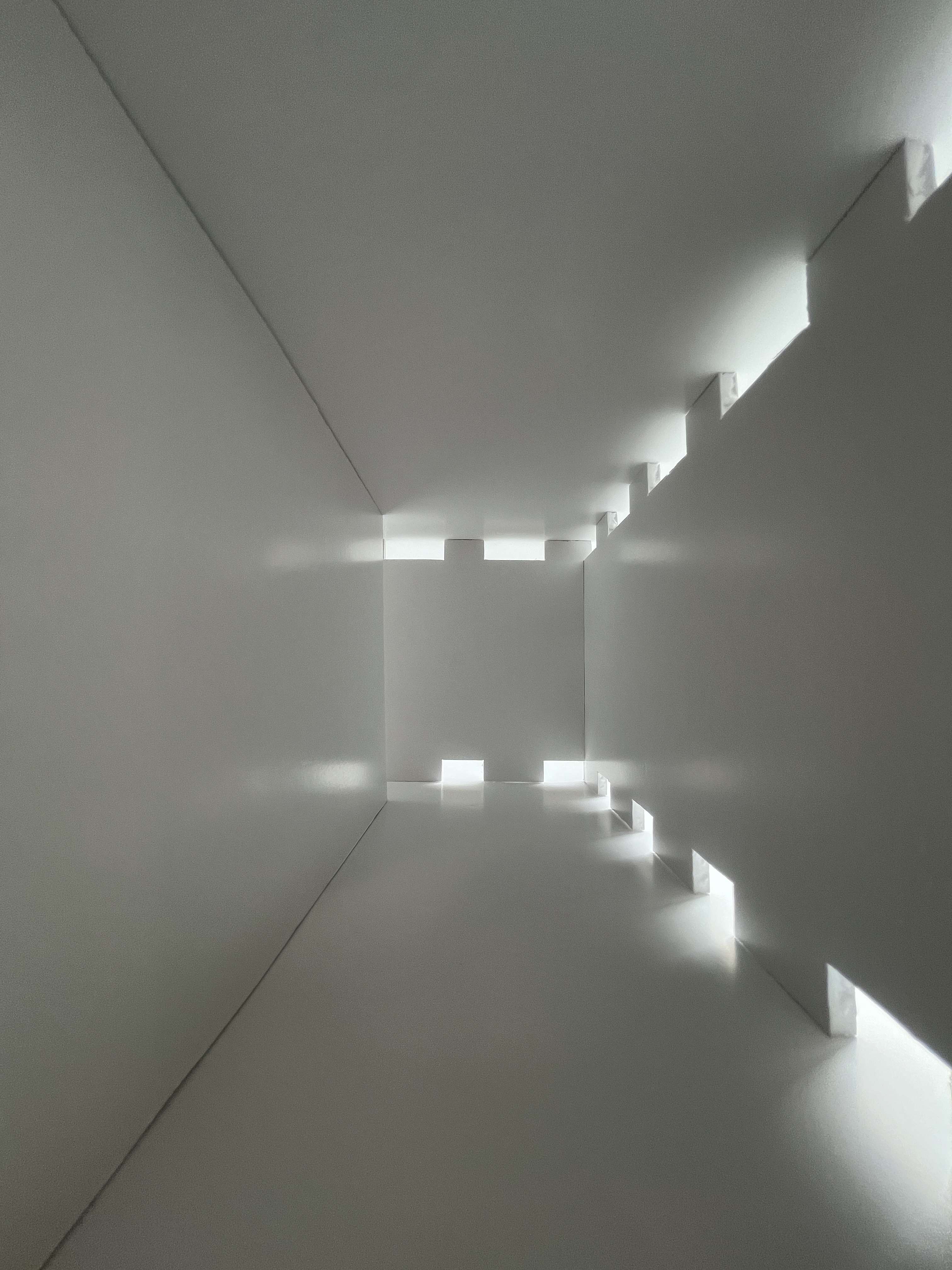
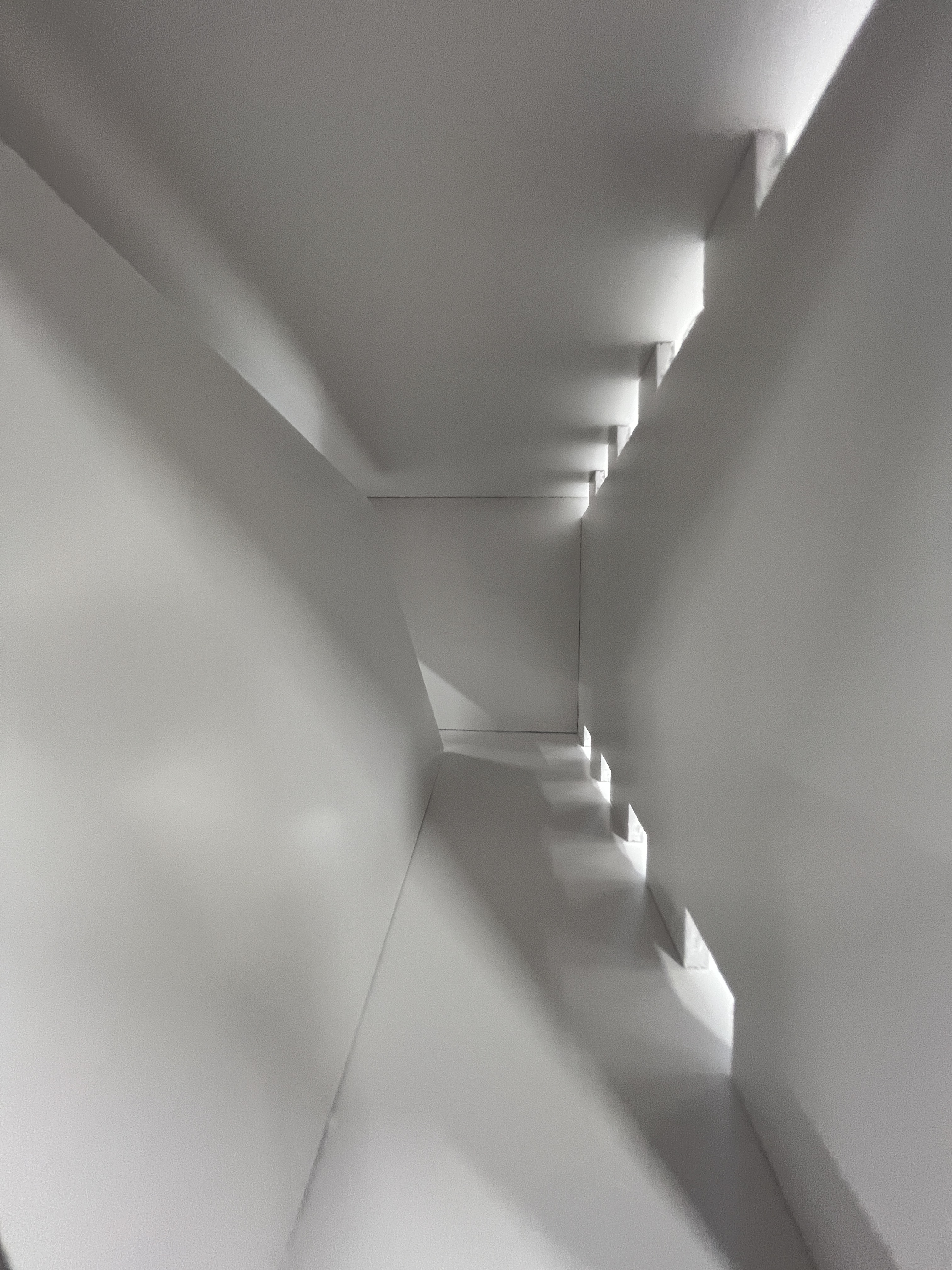
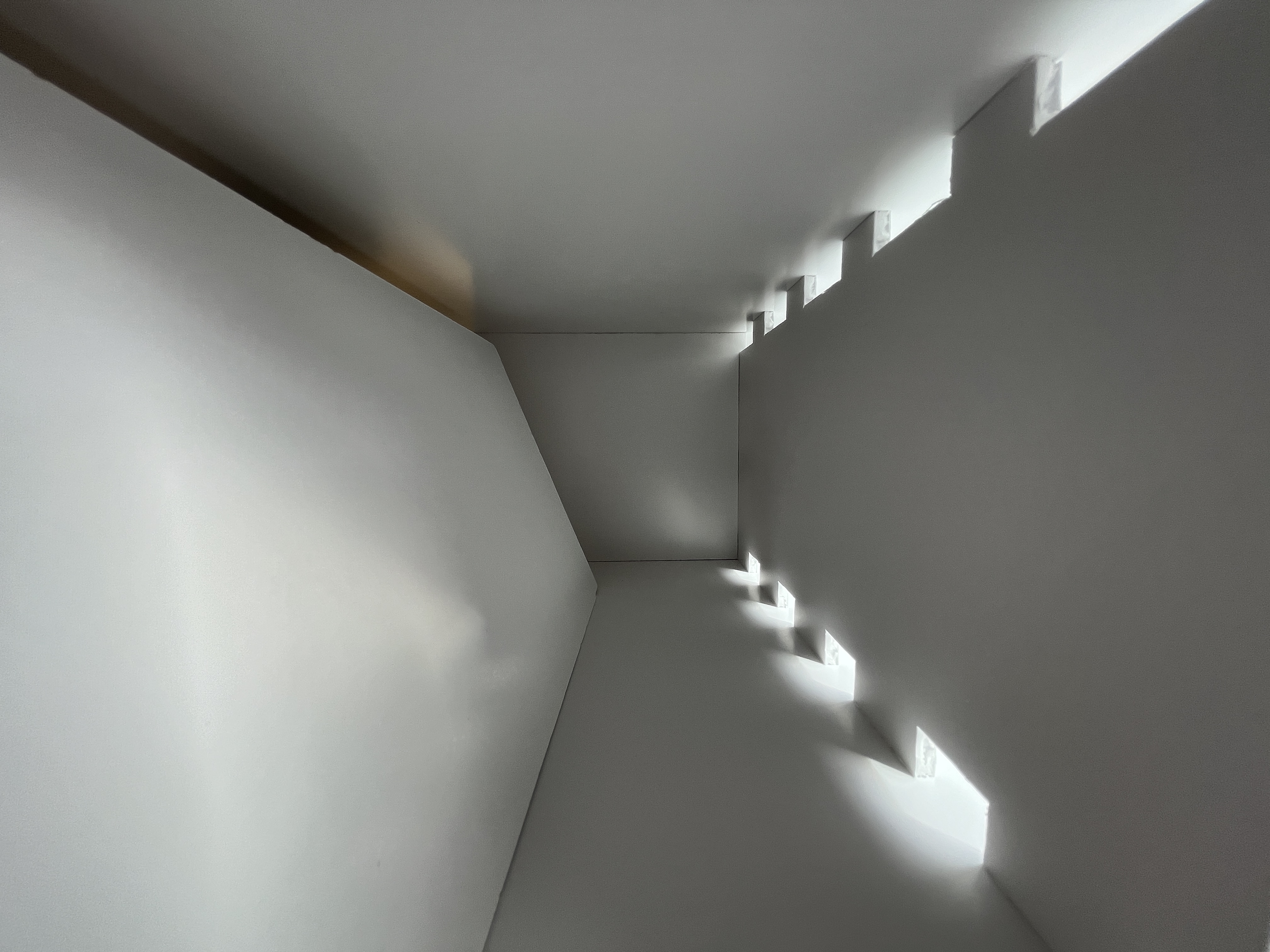
The lightroom project, completed in Fall 2024, explores how light enters a space and how it affects the experience of the space. The goal of this project was twofold: to learn basic model making skills using foam board and to understand the diffusion of light in a closed space.

Another consideration was how the light would guide someone through the space. Because the right wall does not extend all the way to the floor, light is reflected from the other side. This creates a sense of intrigue, encouraging people to continue down the hall and to the right to find the “hidden” space. Additionally, the asymmetry of light on the left side of the back wall is a bit unsettling, pushing people towards the right, where the space continues.

Through this project, I learned how to work with foam board, the importance of iteration and exploration, and how light can alter the experience of a space.

Process Photos:

Categories
Portfolio

Space Planning

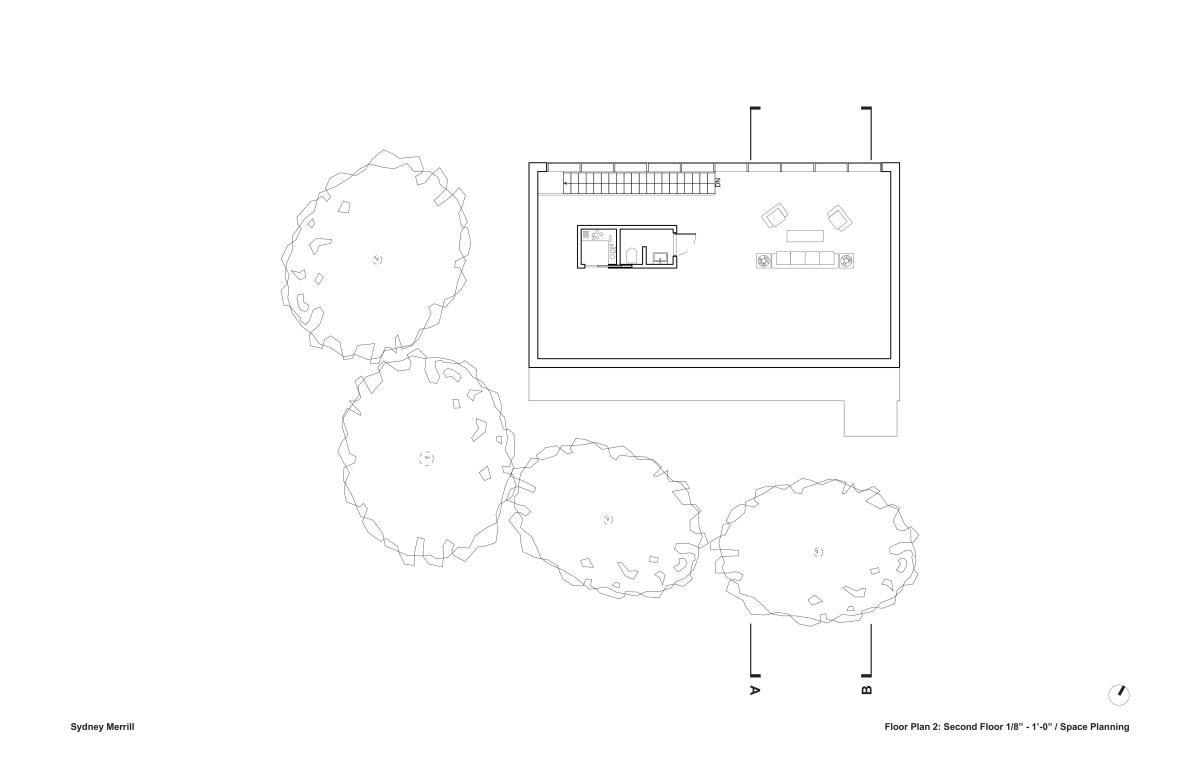
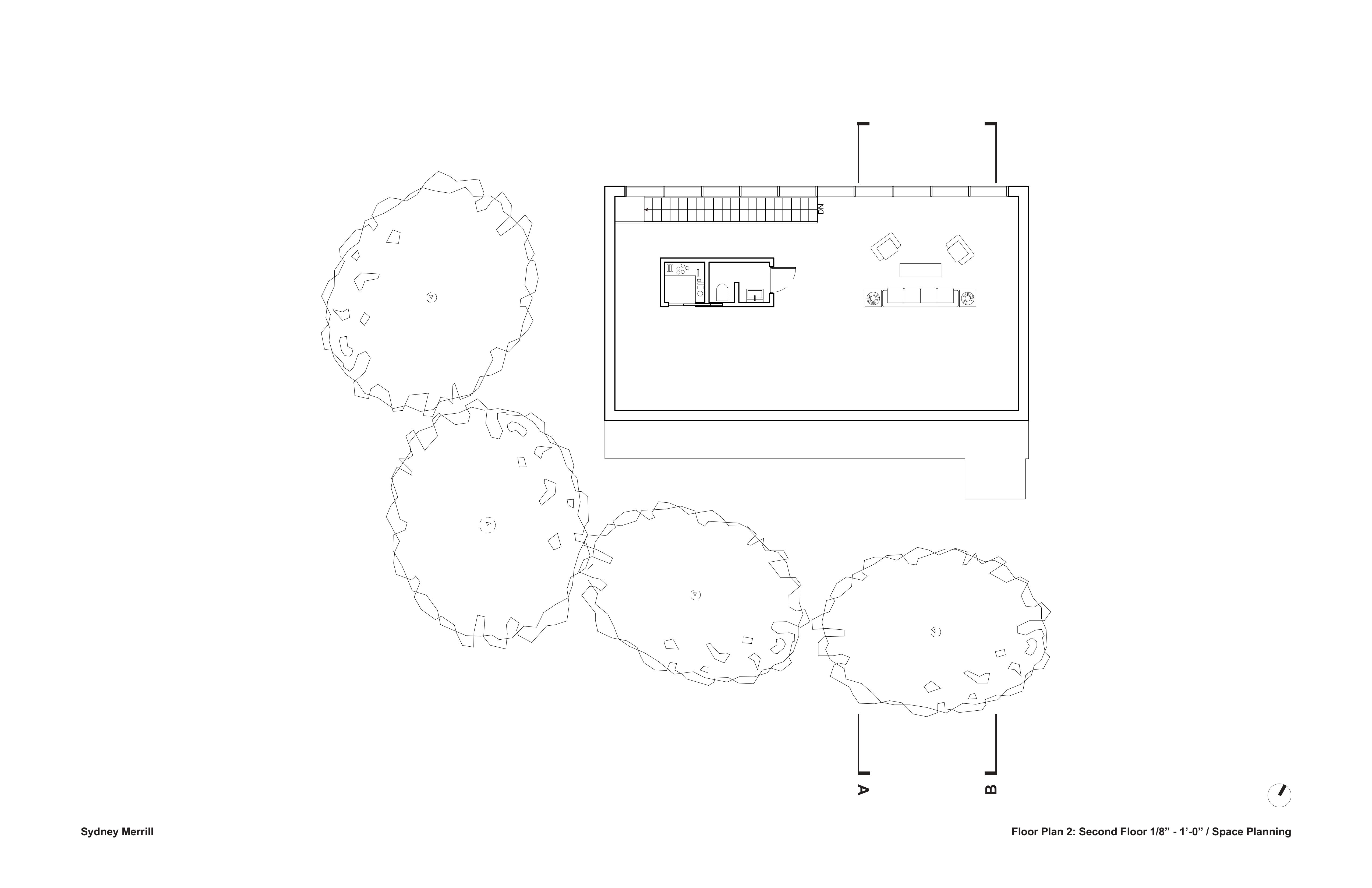
Through the space planning project, completed in Fall 2024, I took the exterior of a building designed in a previous assignment and designed the interior. The goal of this project was to develop technical skills using the 2D tools in Rhino and to gain experience with domestic layouts and circulation. As such, no considerations were given to structural elements.

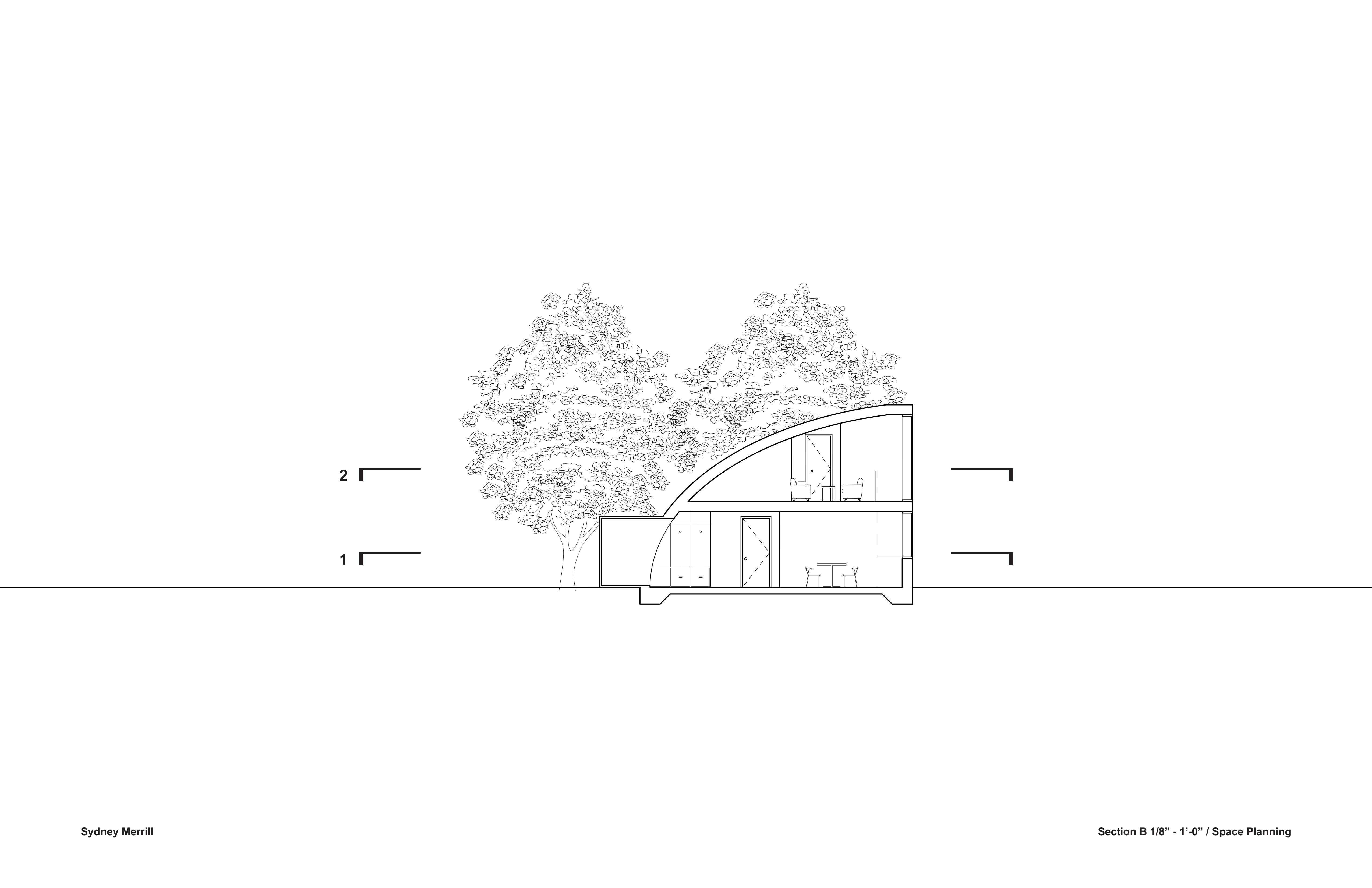
One of the main challenges of this project was taking into account the curved wall when planning the space in the second floor. Due to both regulations and practical concerns, the back half of the second floor was unusable, significantly decreasing the amount of living space. I chose not to cut off the space with a wall so that the curve of the space could still be read from the inside.

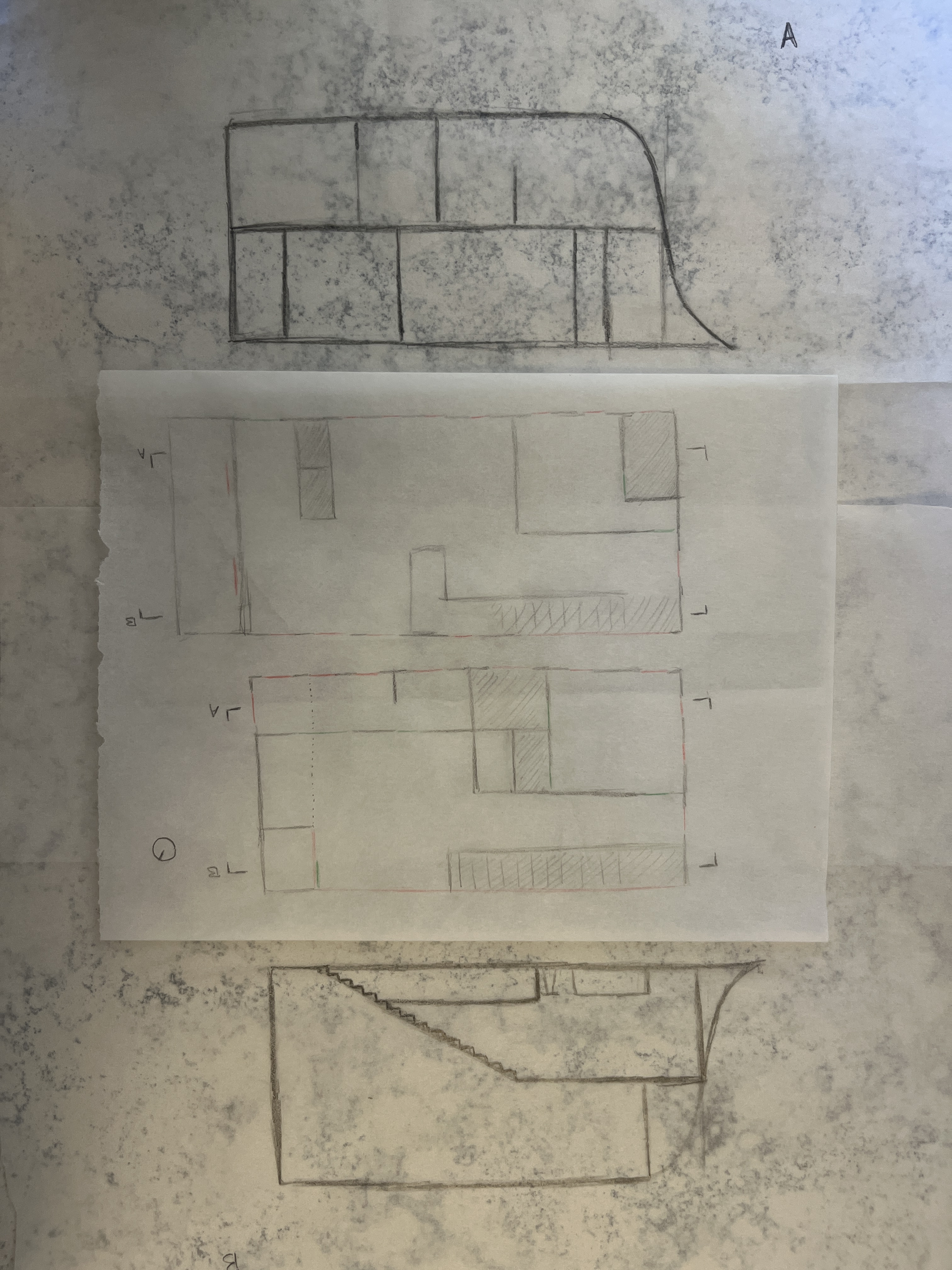
Through this project, I learned how to represent 3D spaces through 2D cross sections, both mentally and physically. Additionally, I got an introduction to circulation and learned some of the regulations and conventions for designing a usable home.

Process Photos: